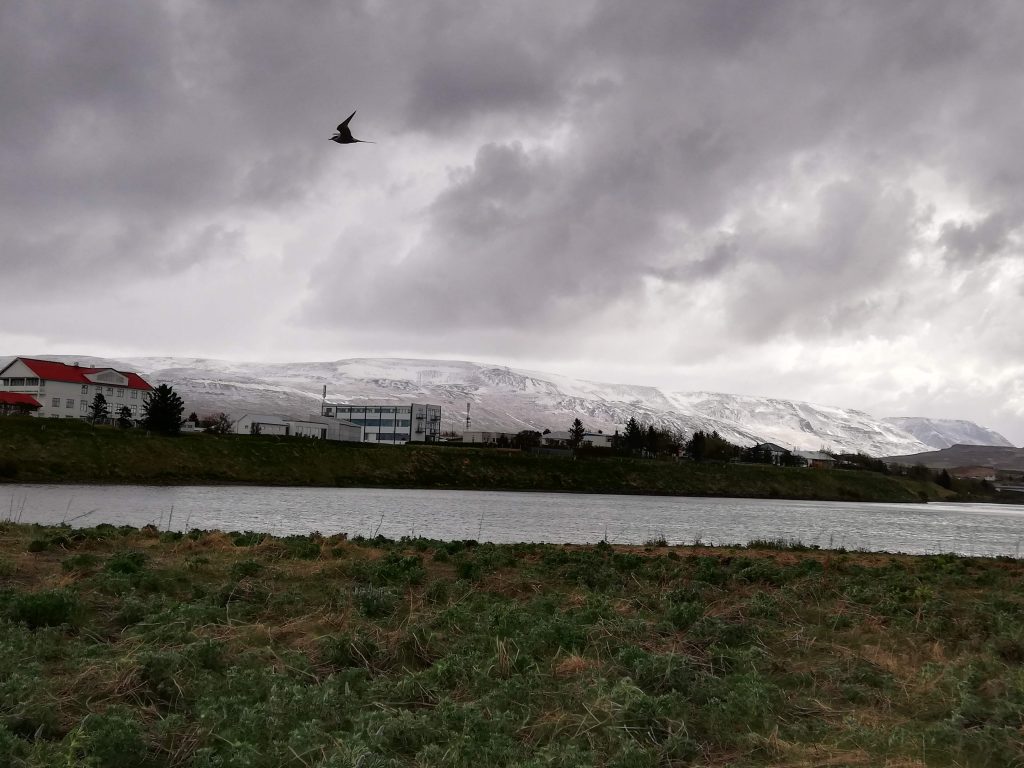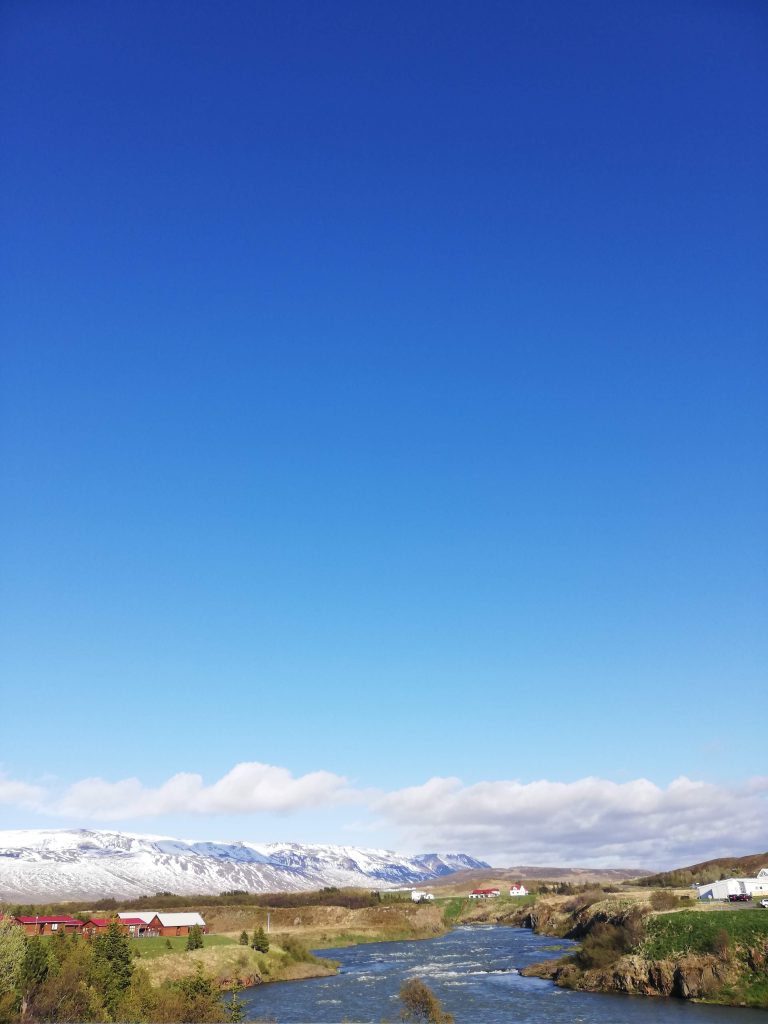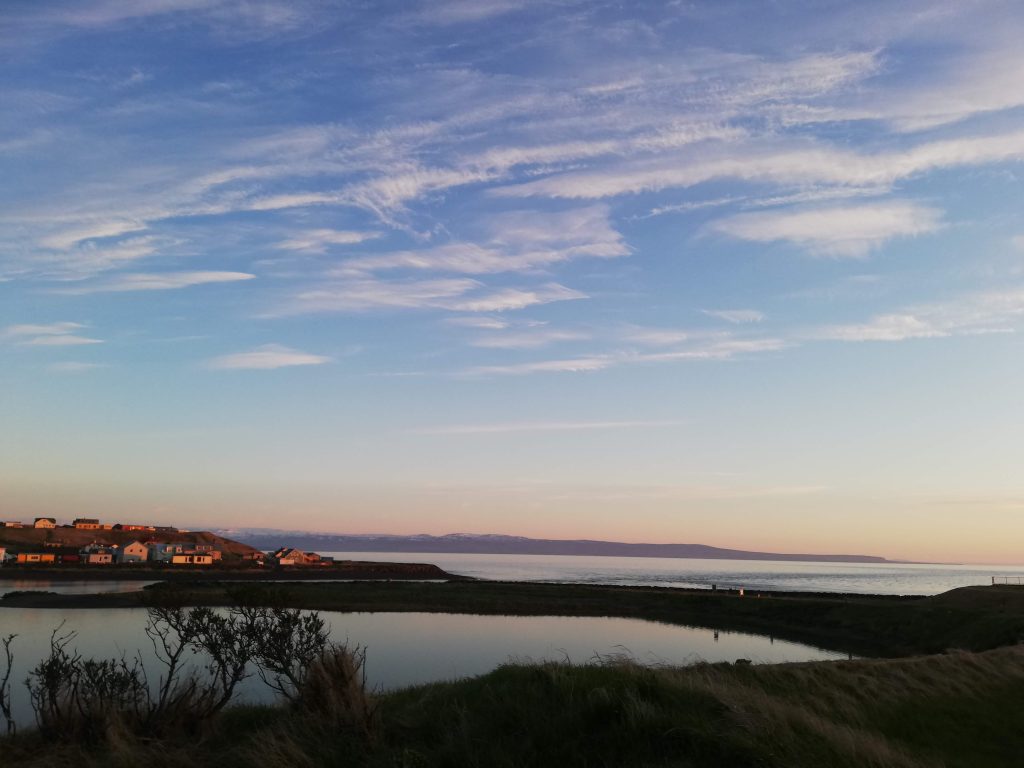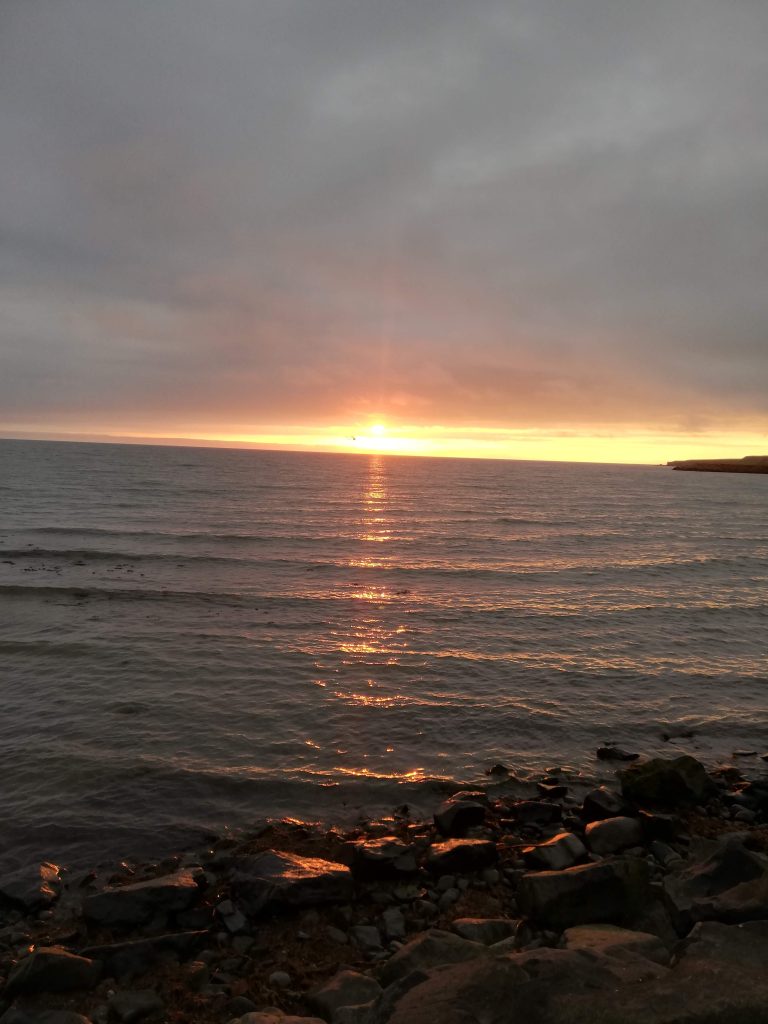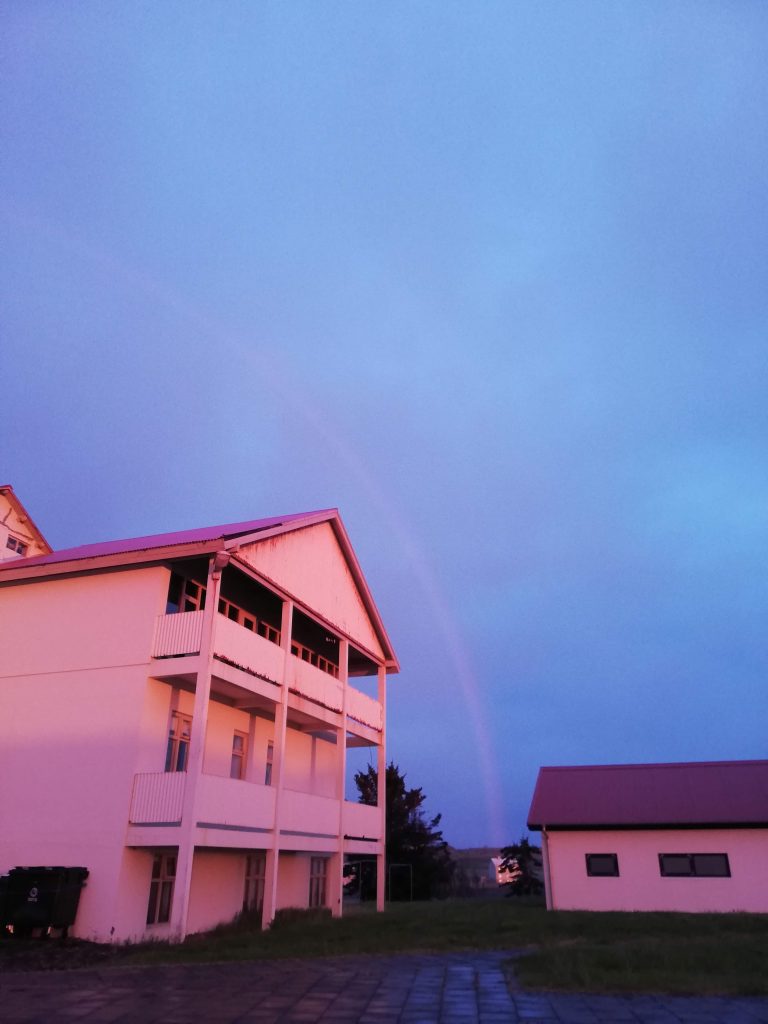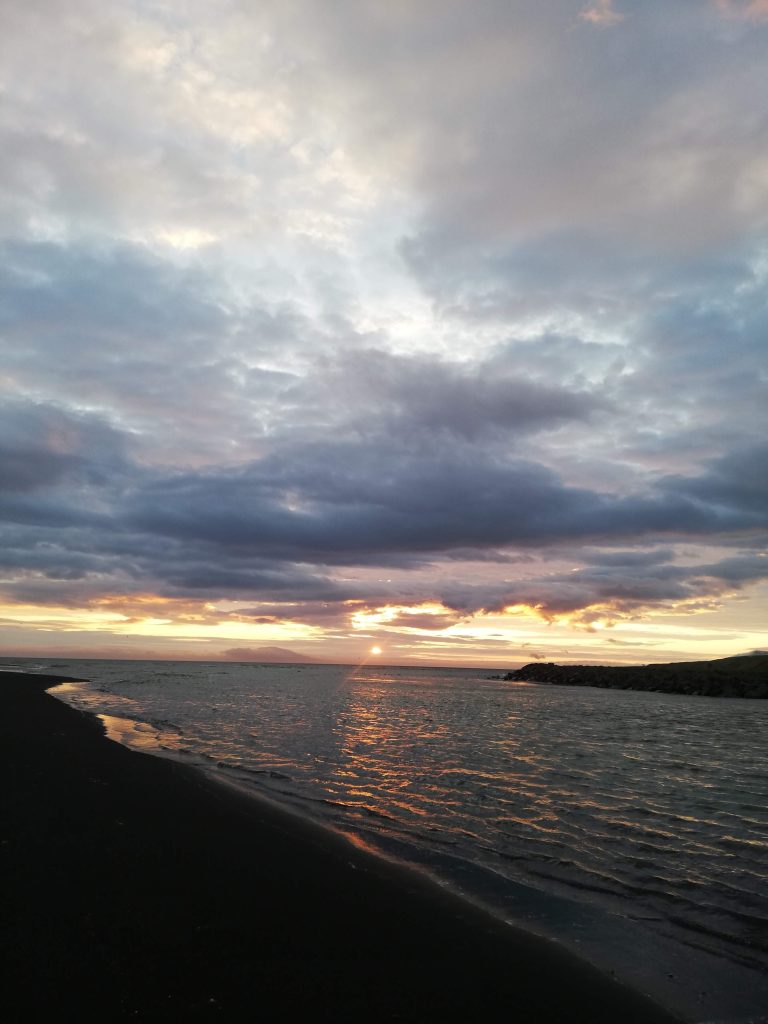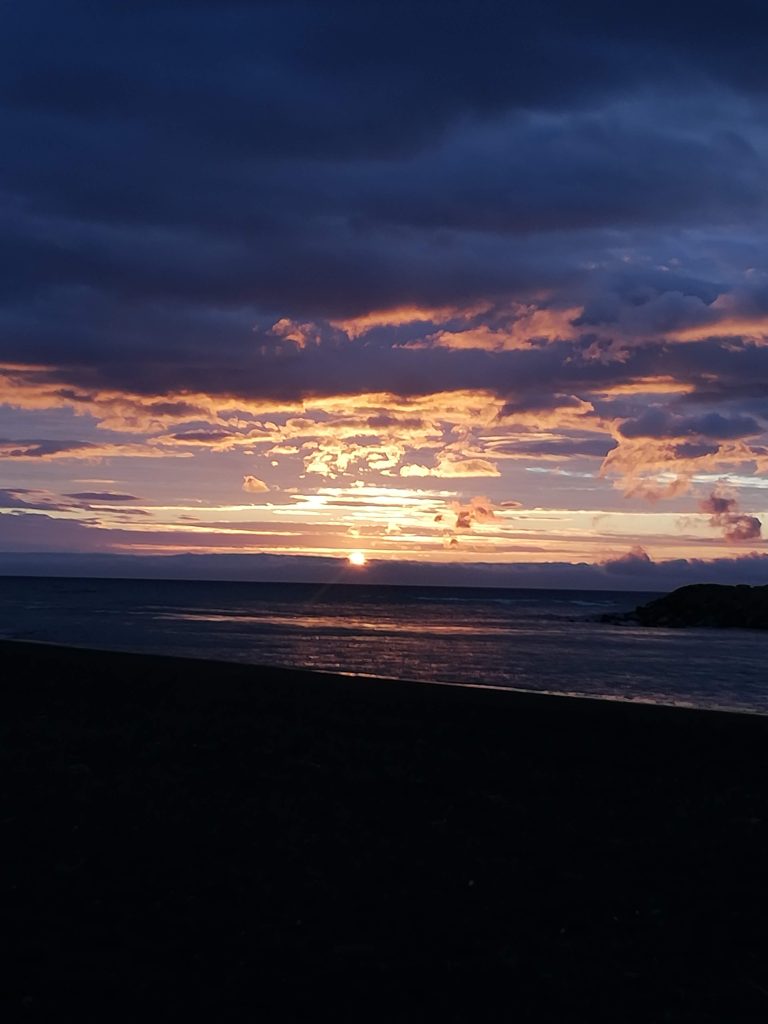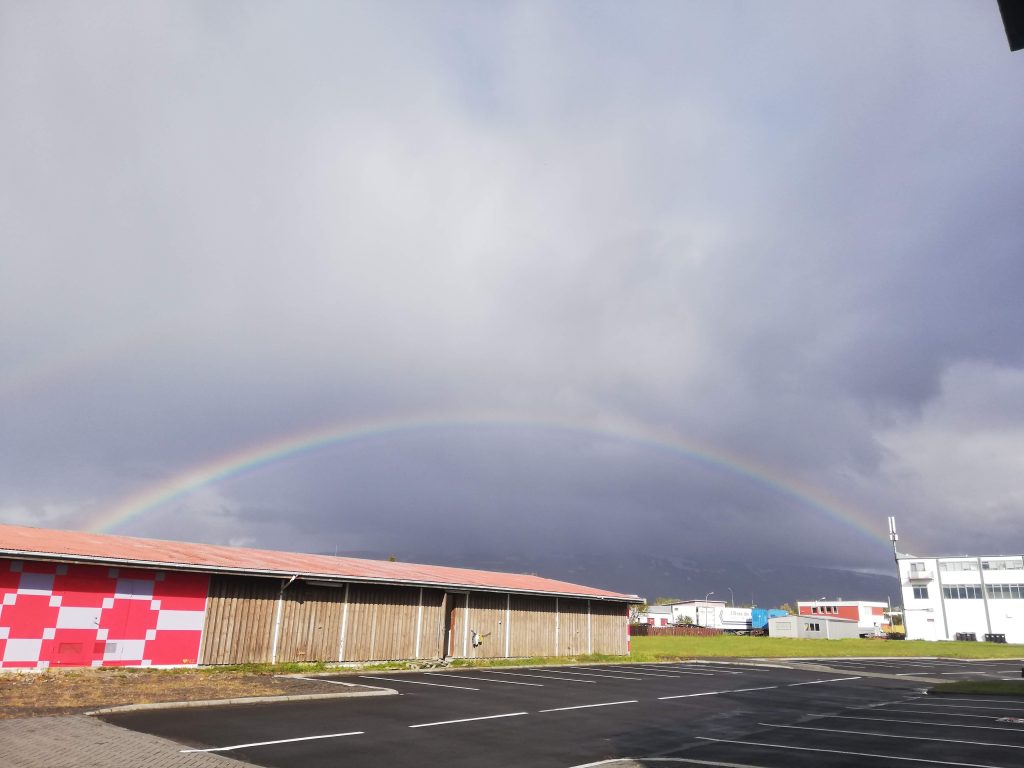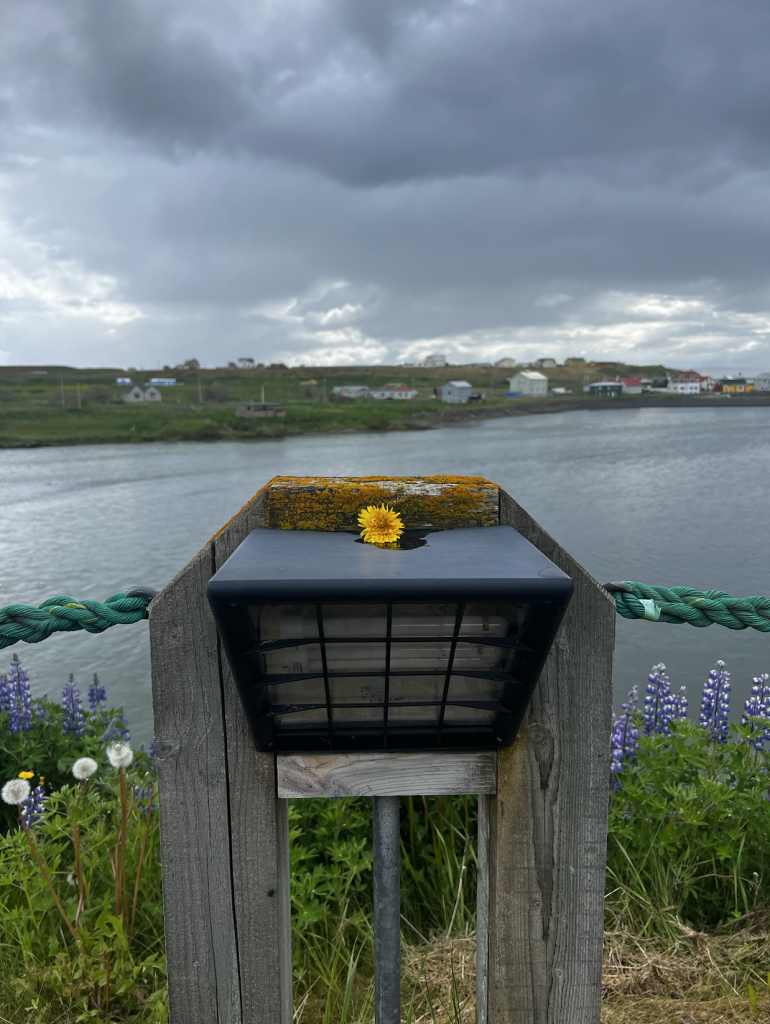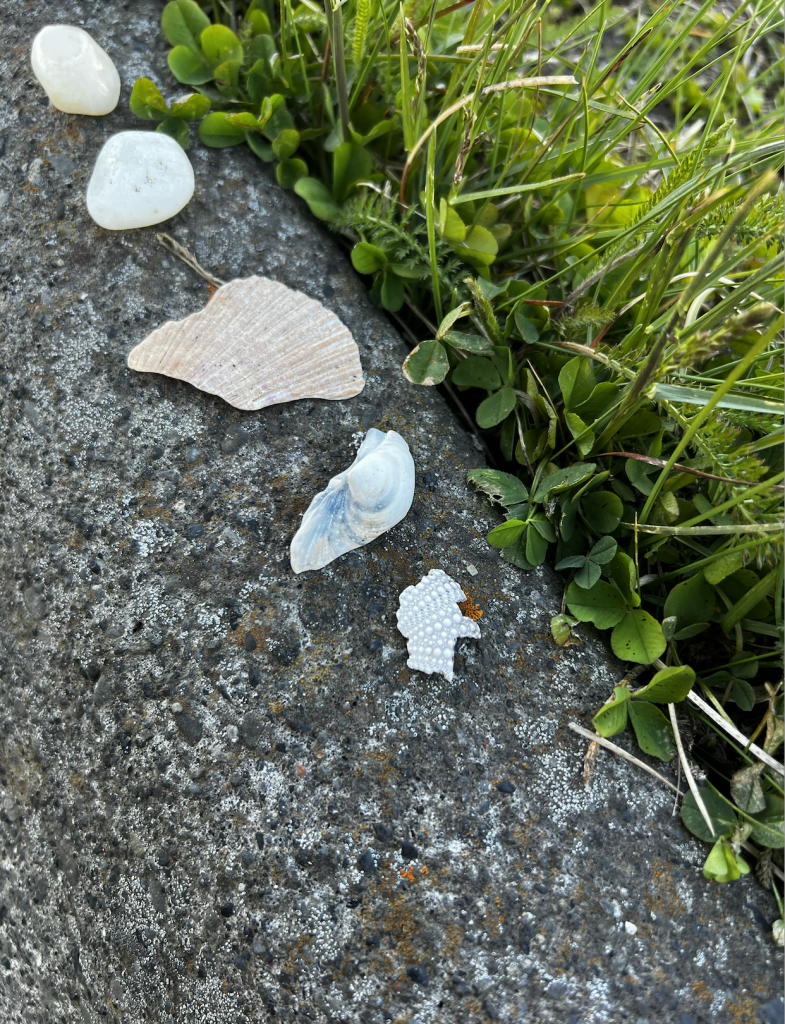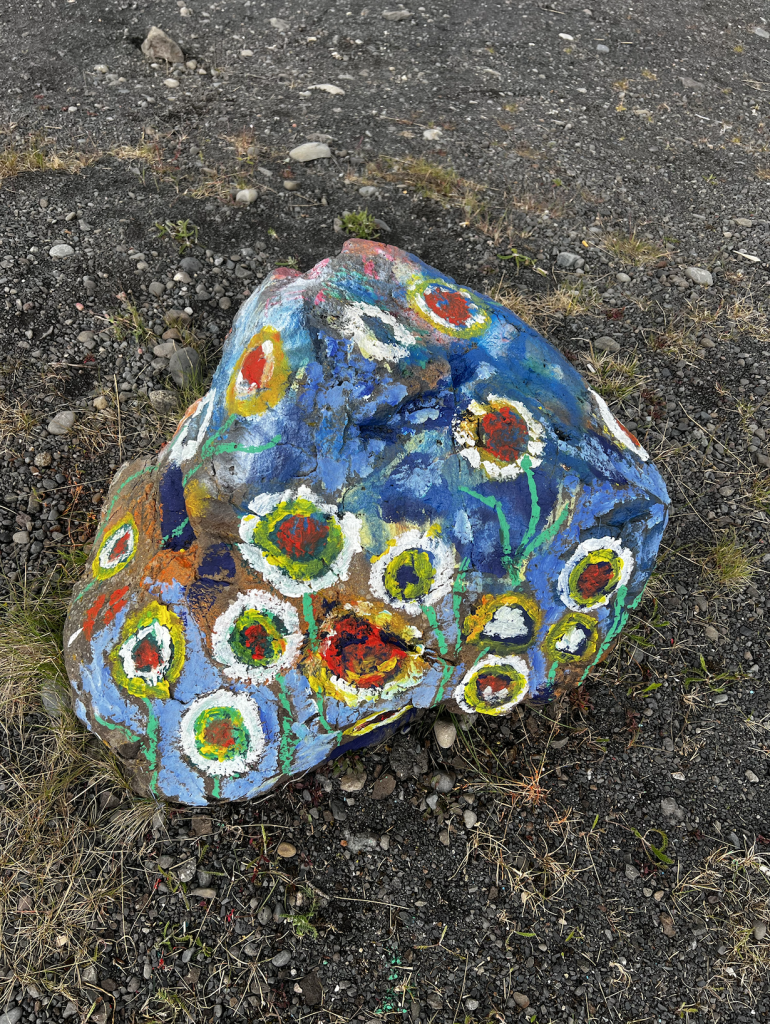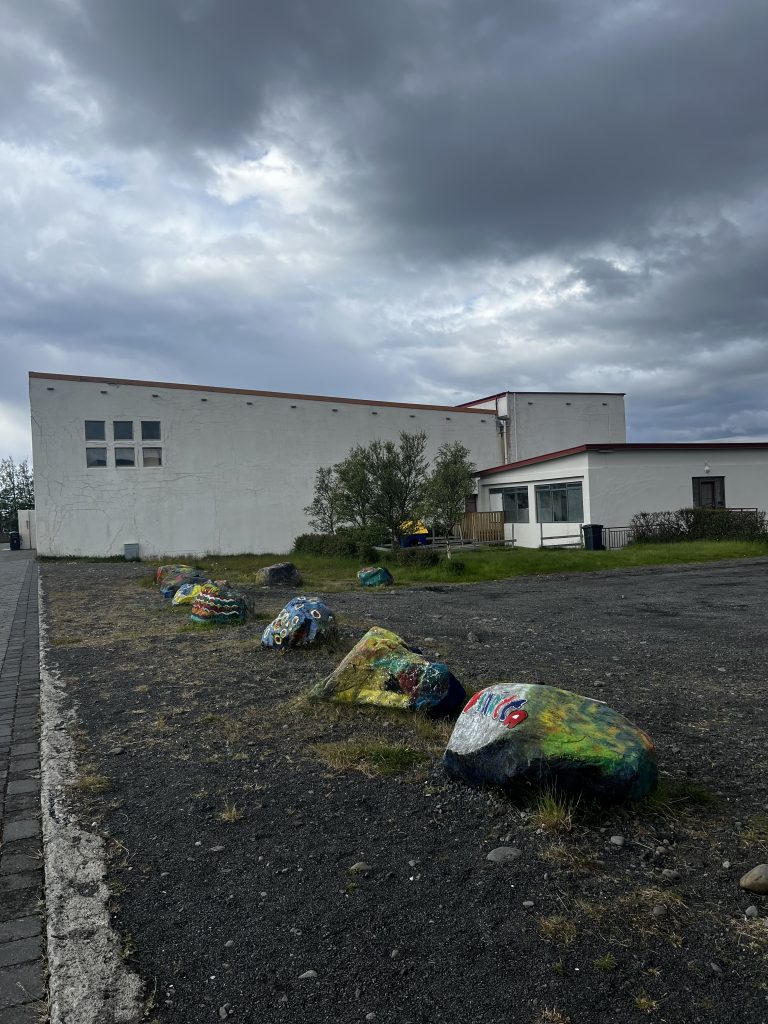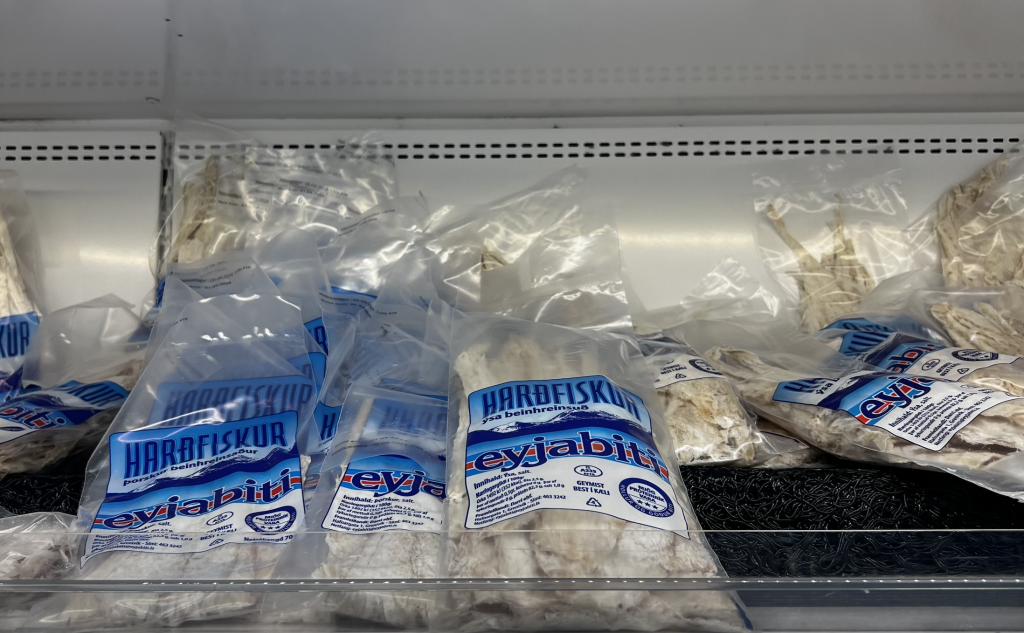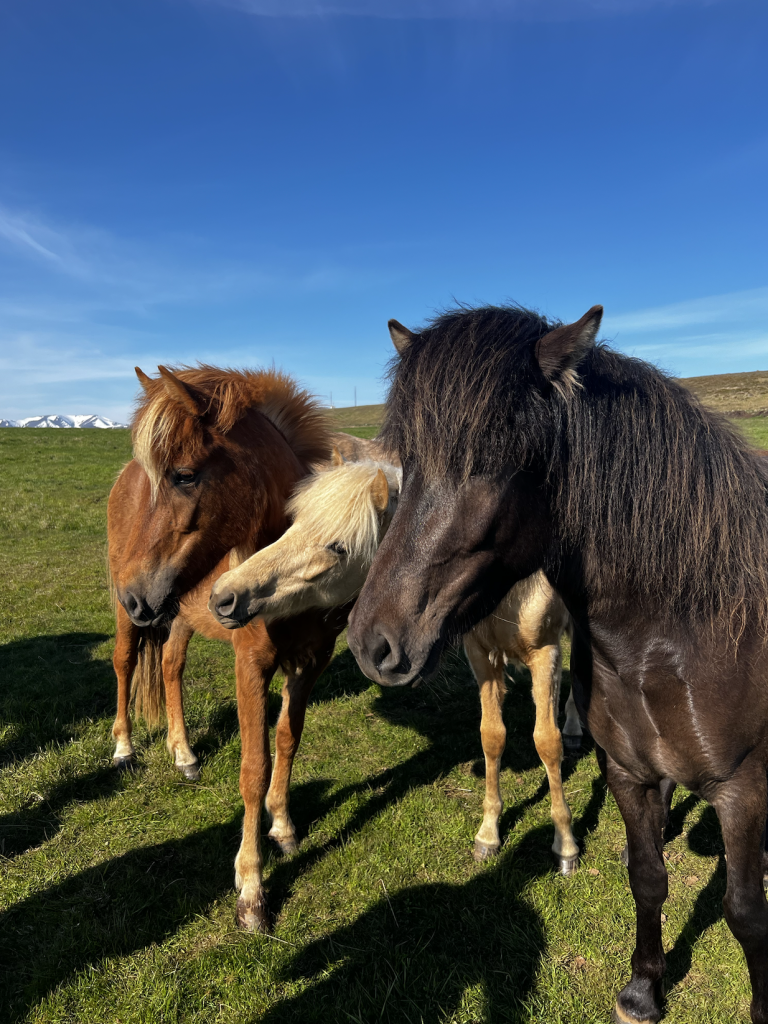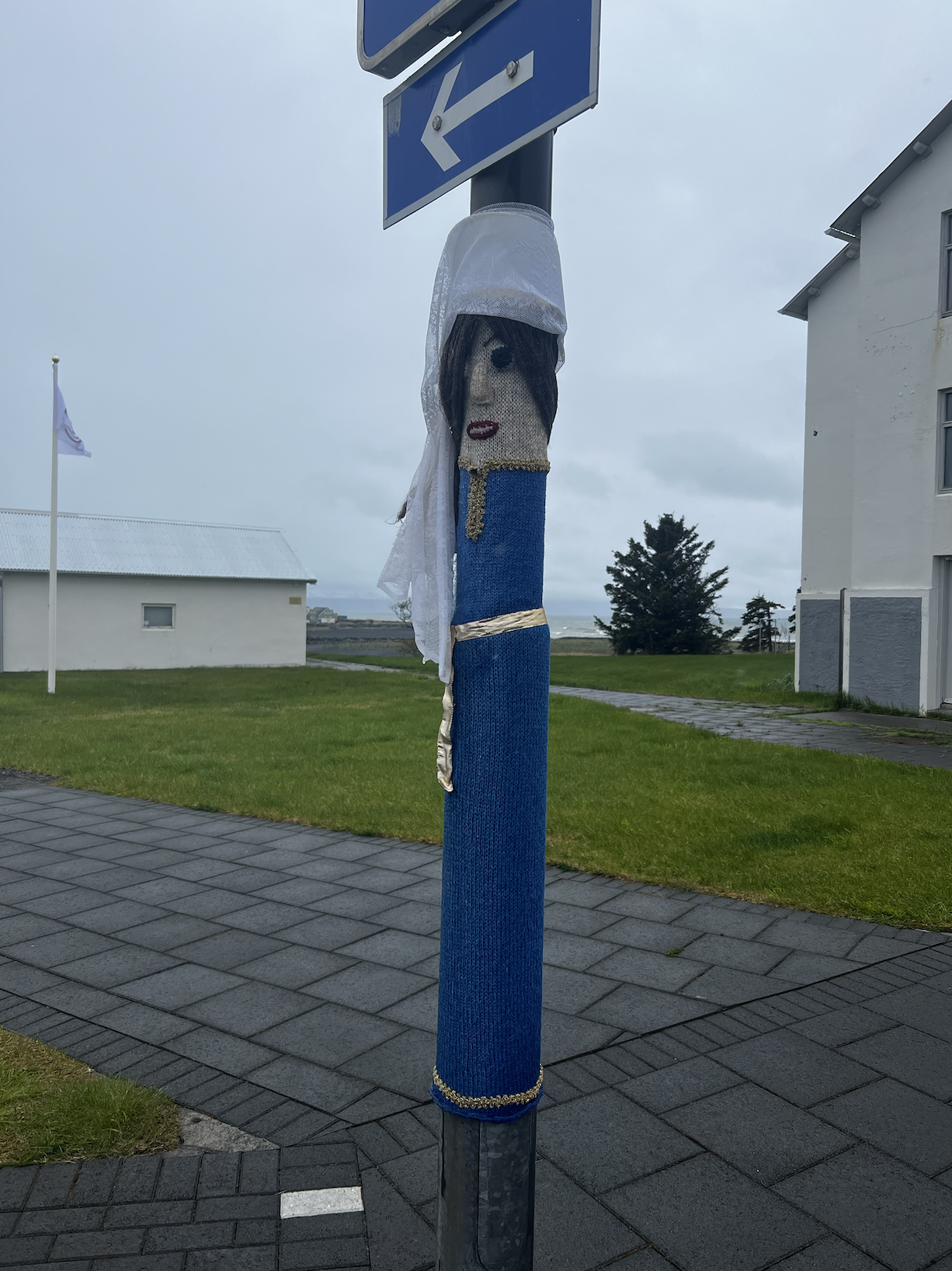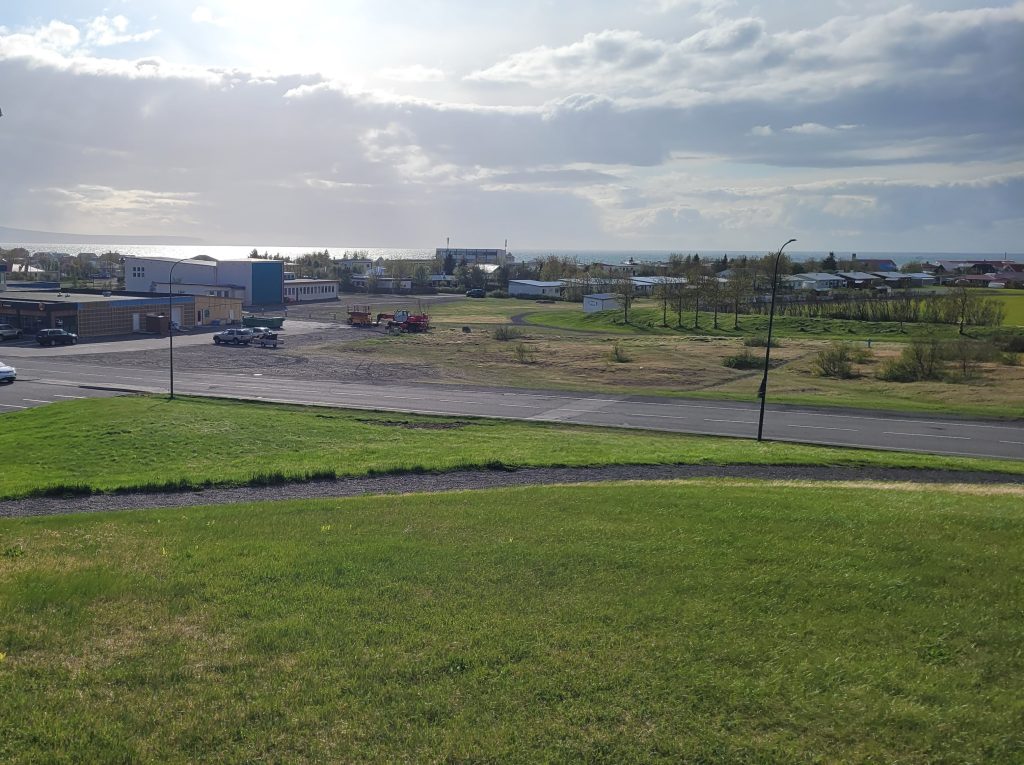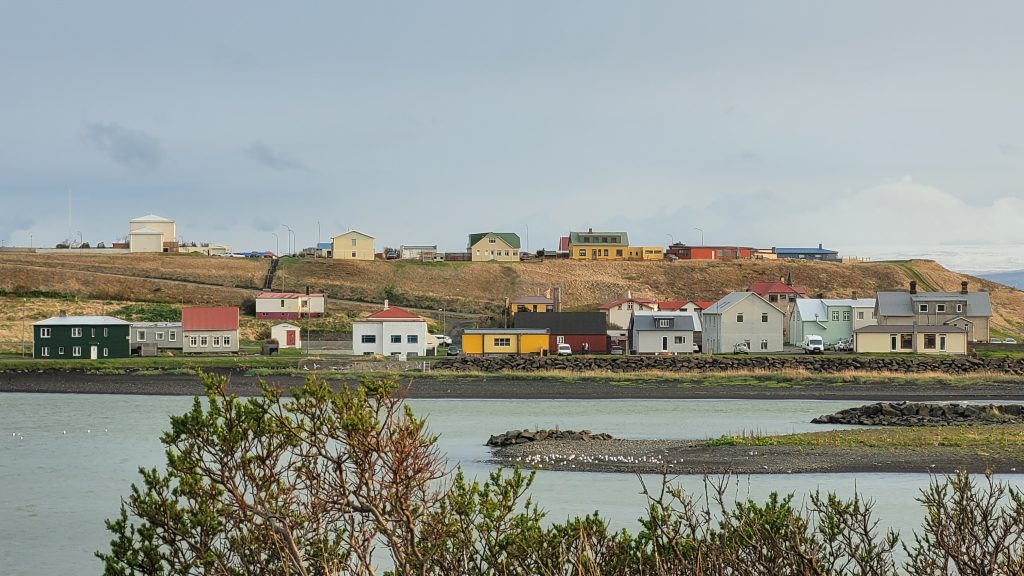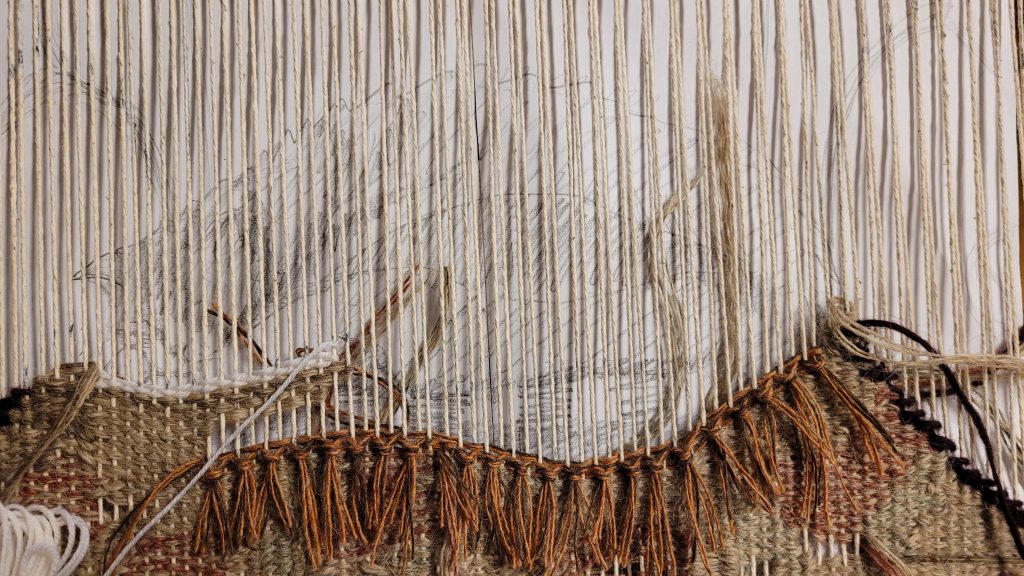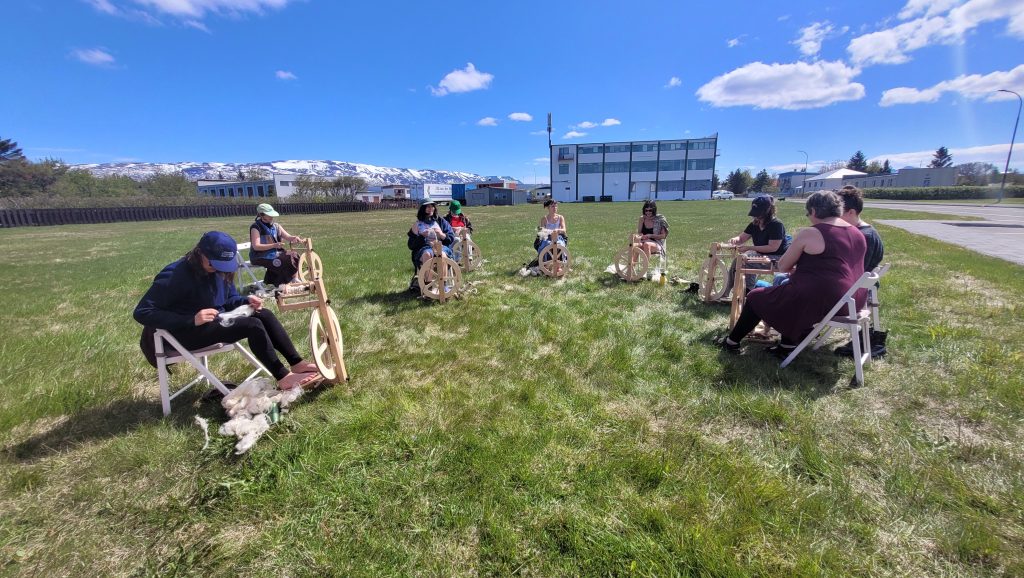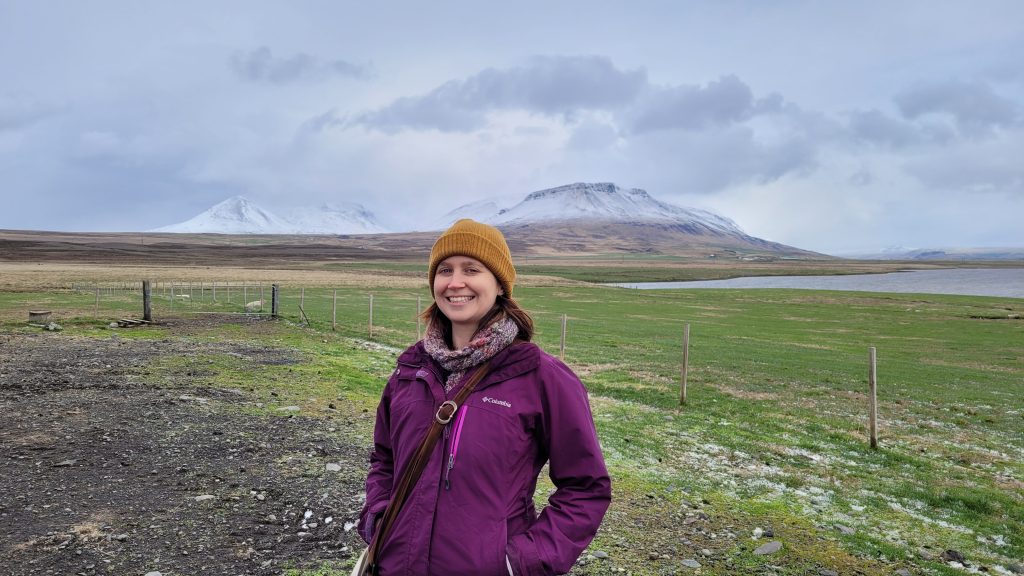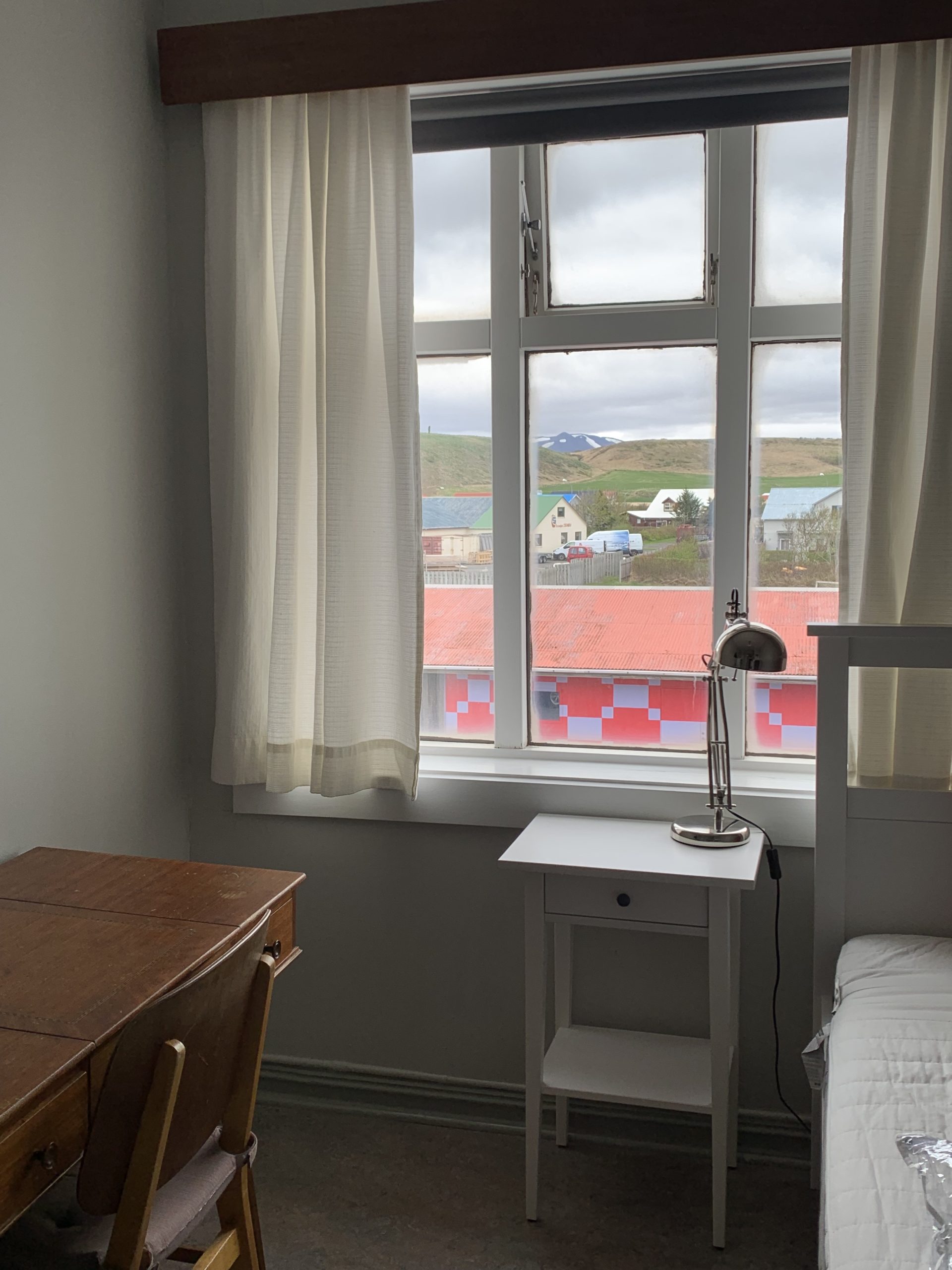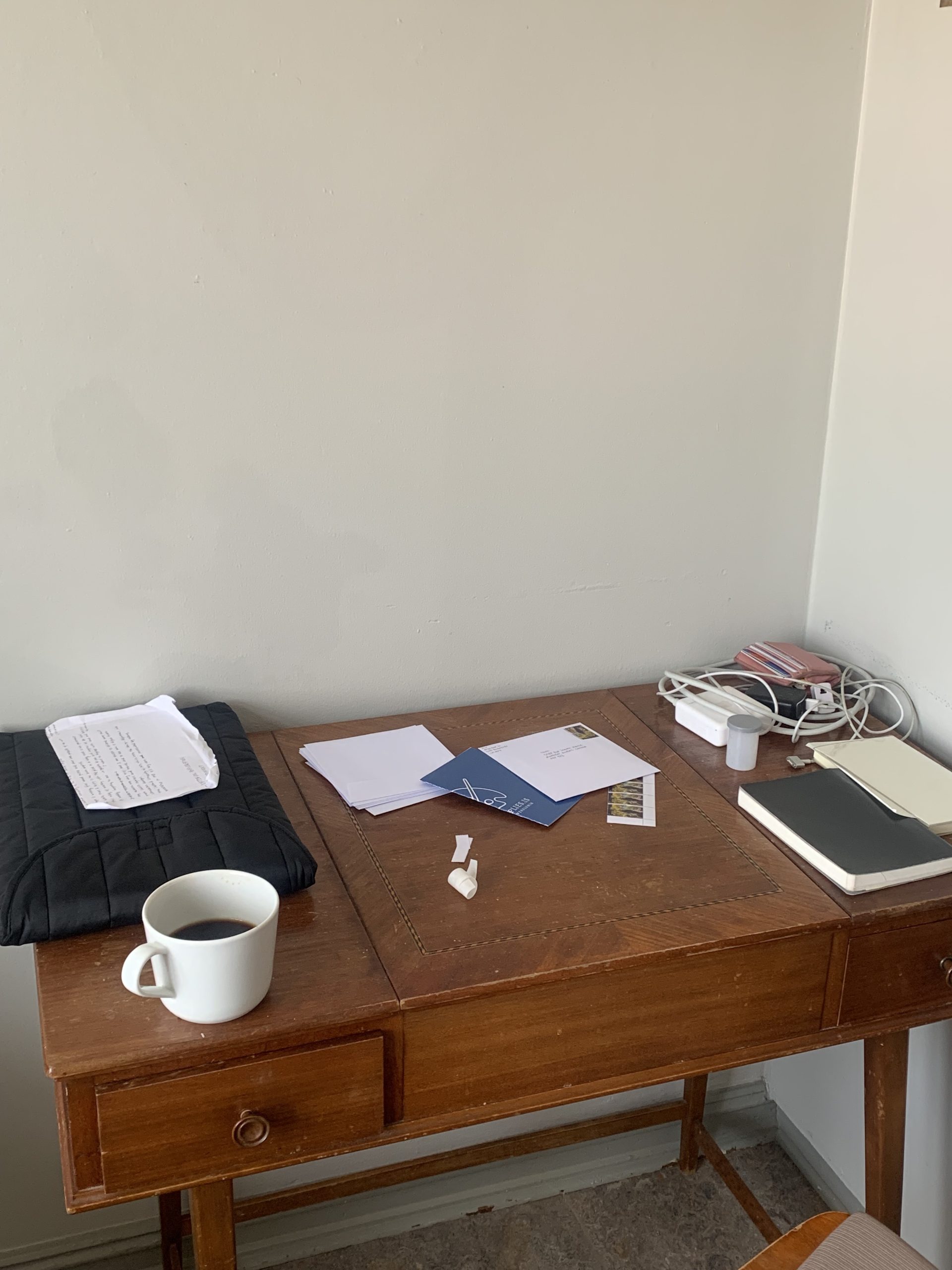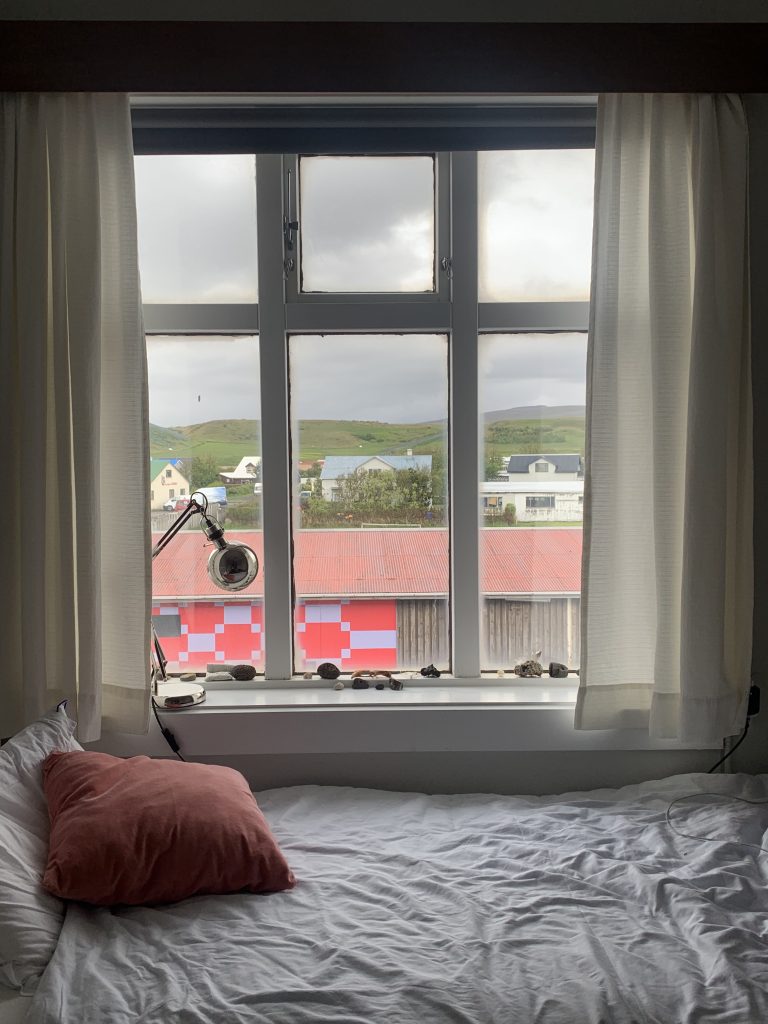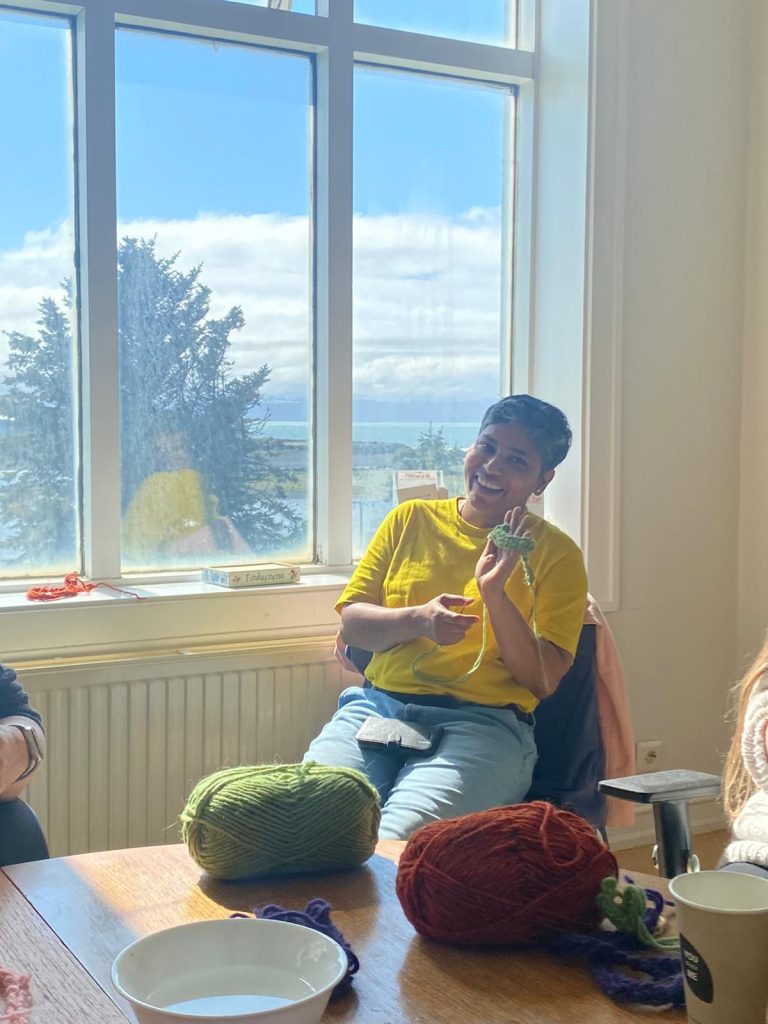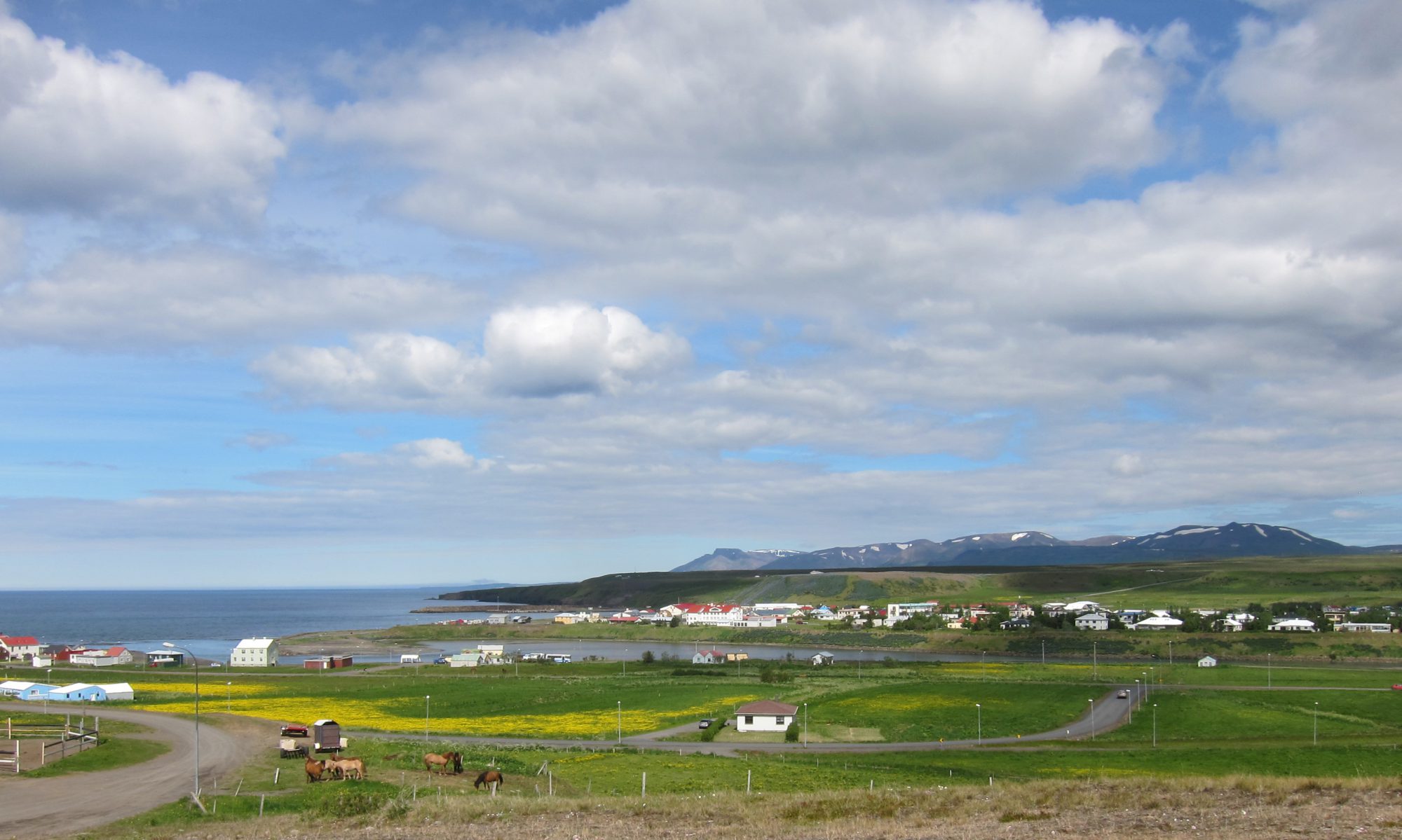
My body loves the truth of summer the tethered axis of cold rain like a clock perturbing the heat. I’m quiet for once the heavy sheets flocking our window.A feathered light along my eye a suture once the wind comes in. I don’t look up. but still notice this horizon dipping out of practice “it forgot to take the light down with it.” the salt of evenings brushed from my hair and I don’t know yet what’s familiar in this place I hold my hand out to the rain How skin when wet sticks to history. How I can be an open window. How I can breathe into new shapes.I’m left to wonder once the days and life are spent once it’s all nebula and dry grass how the wreck of time might soothe these blisters.How all my friends might hold a love inside that heals in molecular ways. It makes me want to say “look at this place. where the sun kisses you like it kisses me right now.” so i say it.
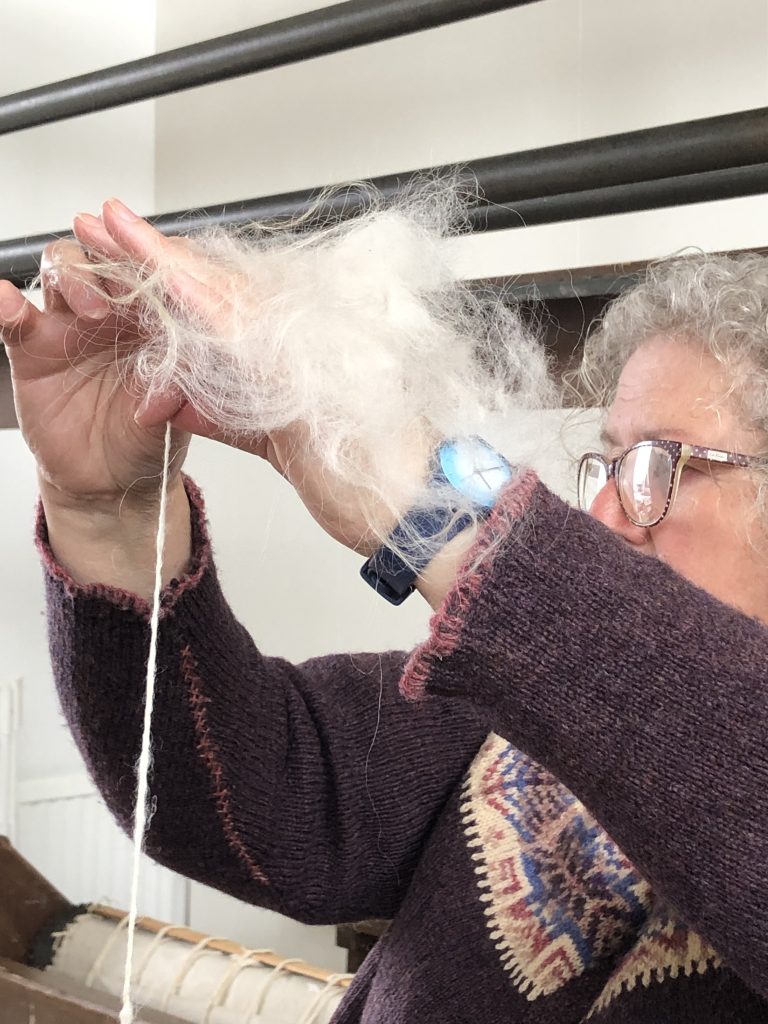
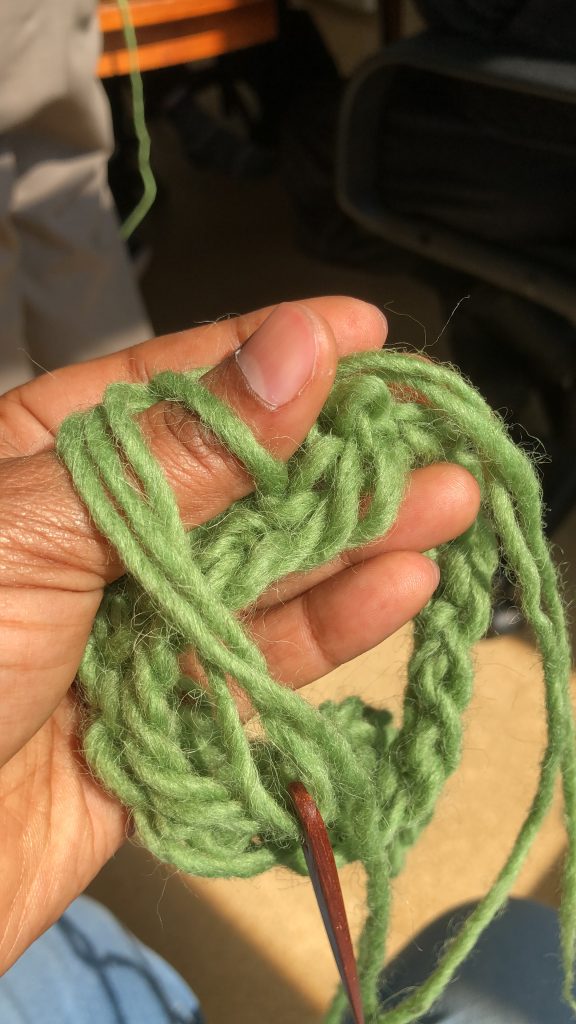
Threads of religion, folk tradition and violent transformation to the present…
Kitty we met at the Witchcraft Museum.
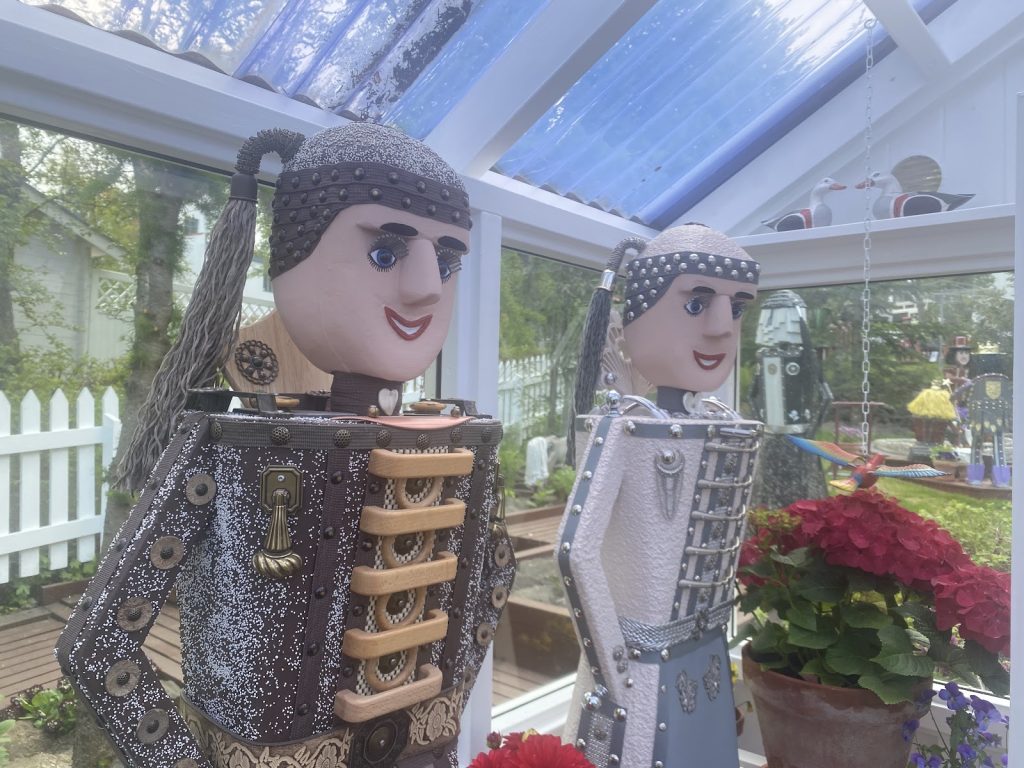
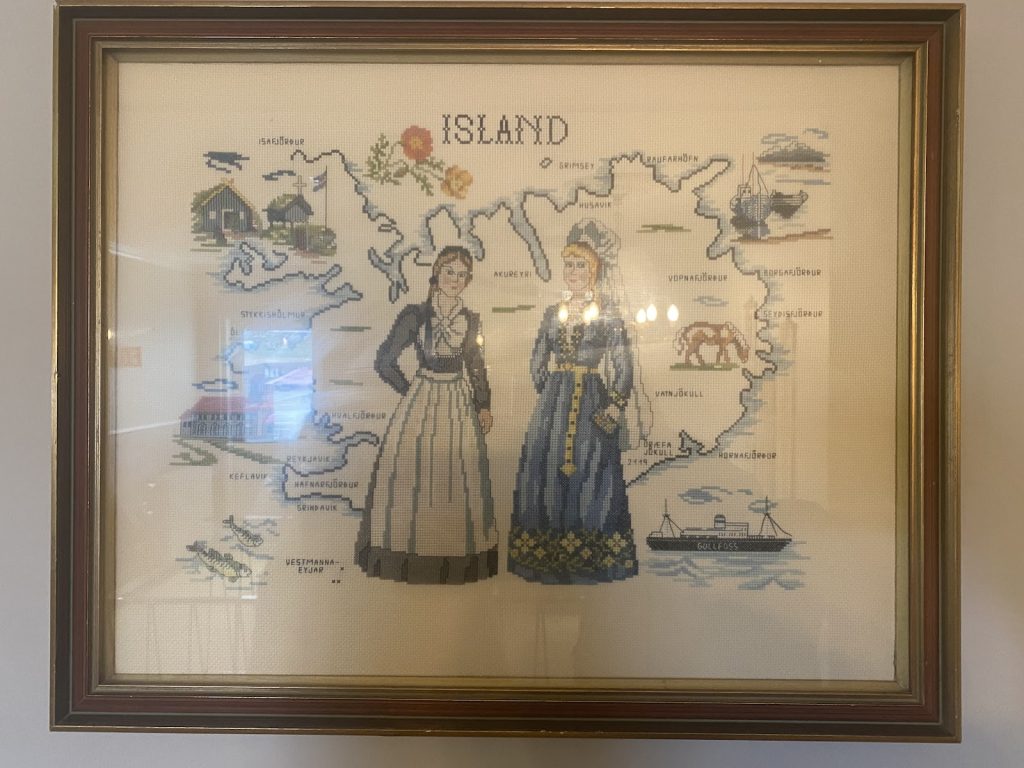
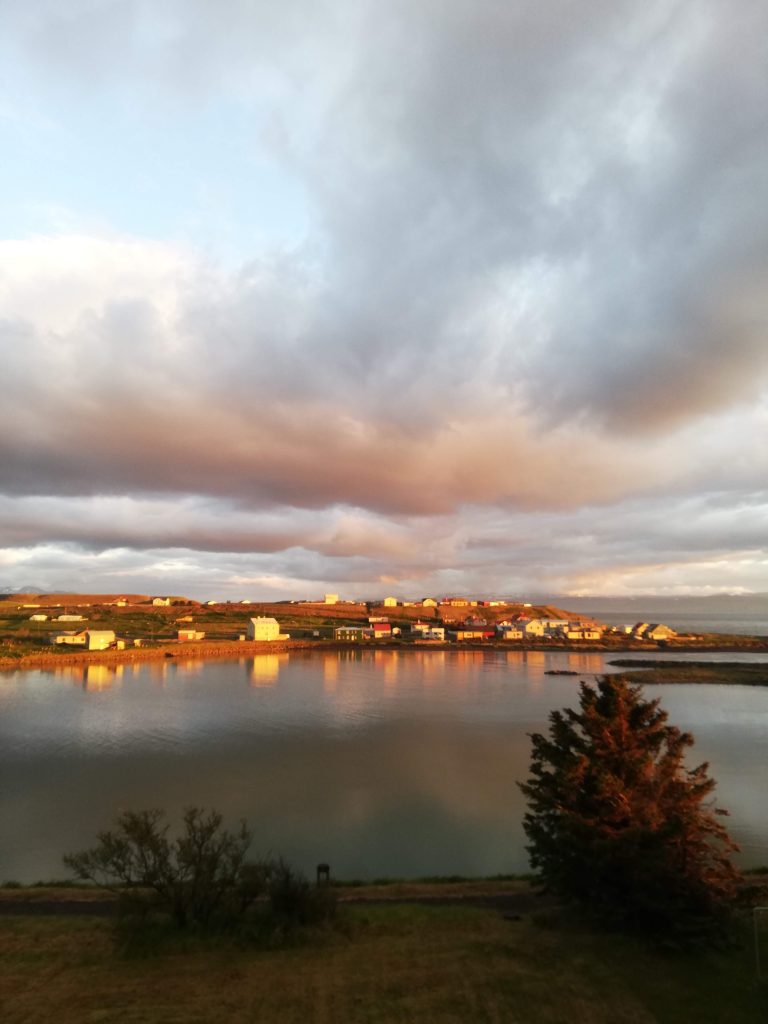
Despite Danish and Lutheran colonization, folk and magical tradition in Iceland is still very strong. In the modern day, we feel the old merged with the new, and the landscape itself oozes hallowed energy that beckons to swallow you.
Delapidated shed in holmavik
For a year now, I’ve been reading Arthur Evan’s Witchcraft in the Gay Counter Culture. I began lapping up the content of the book more and more in Iceland as I realized it’s pertinence to the history of the eradication of folk culture. Witch trials in Europe were a task force for the annihilation of any existence of non conformity, particularly anything pagan or queer. It was the “mass murder of women and gay people“, (Evans). In Iceland the priests who were visiting new Europe brought back all of these ‘forward thinking’ trends with them, but instead built a fear based community bent on snuffing out anything unknown or suggestive of ‘magical’ involvement. Most of the community ‘magic’ that was evidentially happening, however, was based around minor invocations of healing. More interestingly, too, most of the actual victims of corporal punishment were men. In documentation, there is a lot of crossover that can be found in the merging of folk tradition, magic and Lutheranism in Icelandic magic.
My favorite stave from The Sorcerer’s Screed: Icelandic Book of Magic Spells.
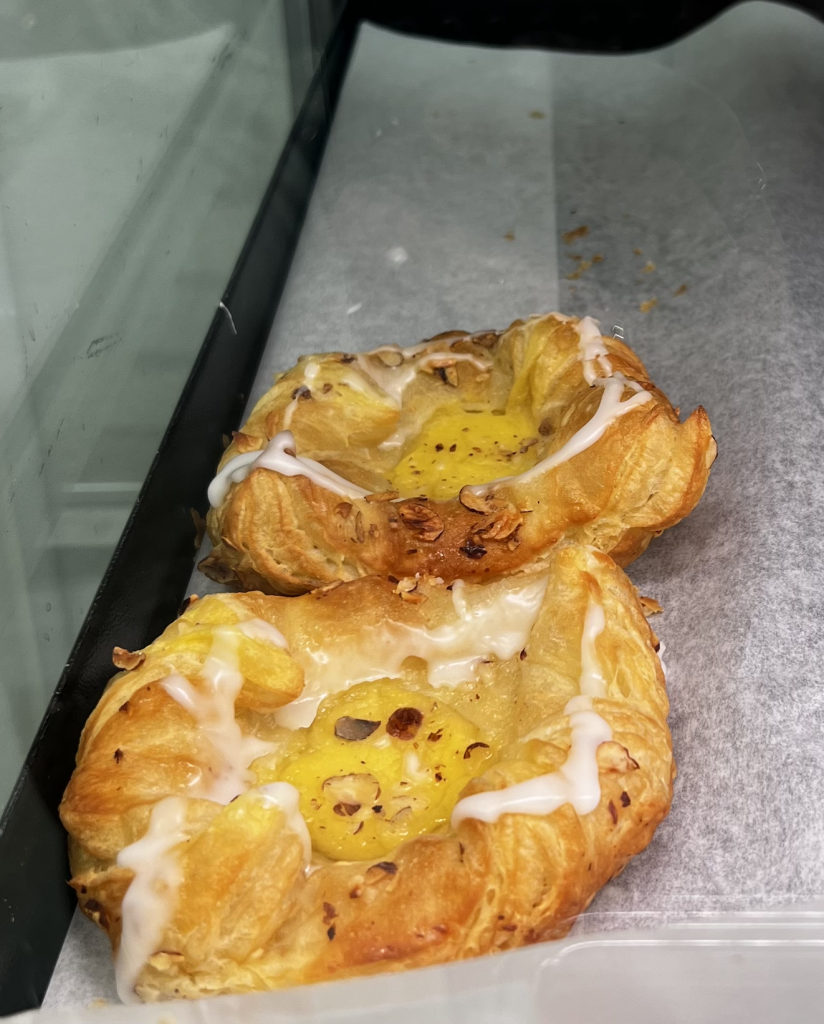
What is in the water in Iceland?? I’m even seeing staves in my Tom and Jerry cookies.
Dancing Elves by August Malmström.
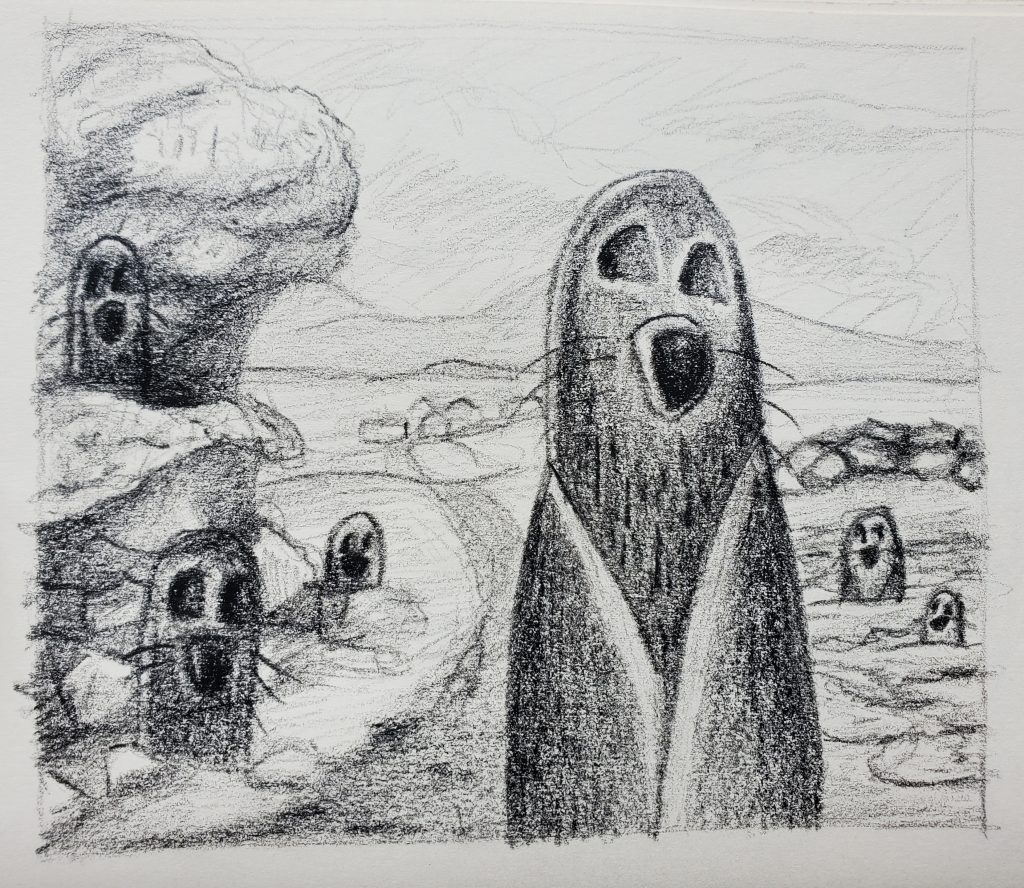
Belief in mythology, old gods and folk tradition are historically united. In reading Witchcraft , I came across a passage that almost made me jump out of my chair in excitement, mentioning that in Nordic lands, “Hulla, Huldra or Huldre was regarded as a powerful deity, ruling over the weather, animals, sexuality, spinning, weaving, plant life, and the abode of the dead,” (85, Evans) Oh my! I really feel like these were the most forefront topics of the collective conscious of the field school. It seems we were navigating Huldras curriculum! In translations across Scandanavian countries, there are overlaps indicating that huldrefolk, and huldra mother, were terms translatable to ‘tender folk’ but also ‘hidden’. This coinciding obviously with the huldefolk, ‘hidden people’ or ‘fairies’ of Iceland. Perhaps Huldra is the hidden mother, or elf queen. As I dove into all these fabled connections and chimerical histories, our environment seemed to ripple with phantasmagorical possibility …….
Peeking, glowing moss crevice. Perhaps an elf home? A symbolic earthy wink.
/////////
Evans, Arthur. Witchcraft in the Gay Counter Culture, FAG RAG Books. 1978, Boston. Fera Death Coven Clandestinity, ed. 2013.
Skuggi. The Sorcerer’s Screed, Jochum Magnus Eggertsson. The Icelandic Magic Company. 2015.
Lipscomb, Suzannah. The Witches of Iceland, Not Just the Tudors. 38 min, December 20, 2021.
The analog meat thermometer we were working with in the dye shed only began at 60 degrees, so there was a bit of guesswork and warm water listening involved in keeping the lupine baths at 45. A few of us had read that 45 degrees was the sweet spot for receiving blues from the flowers, so we were hyper-fixated on maintaining that temperature. Soy milk mordanted fabrics also tend to fair better when dyed at less than 60 degrees, so these two paired beautifully. Slower processes at cooler temperatures. Never wishing the dye bath were hotter to unlock latent dye potential.
It was charming that the community pool posted laminated temperatures for each pool and tub. 29 degrees for the main one, 34 for children’s pool, 37-38 for the cooler of the two hot tubs, and 39-40 for the hottest. The sauna ranges from 40-55 — depending if the steam is on or not — and the cold tubs are a crisp 5 degrees. I would sit in the hotter of the two tubs and begin overheating around 15 minutes. However, I could sit in the 38 degree pot almost indefinitely. For any frequent hot tub goers, this must sound so rudimentary, but there was new touch and temperature knowledge to be gained from moving between pools.
Back in the dye shed, I lower my hand into the warming lupine bath. Slightly hotter than the hottest pot. Hot but not scalding. Not painful in the way 50 would be if you let your fingers linger, but also not the kind of tub you would chose to walk into. Sweet familiarity. Sweet knowing.
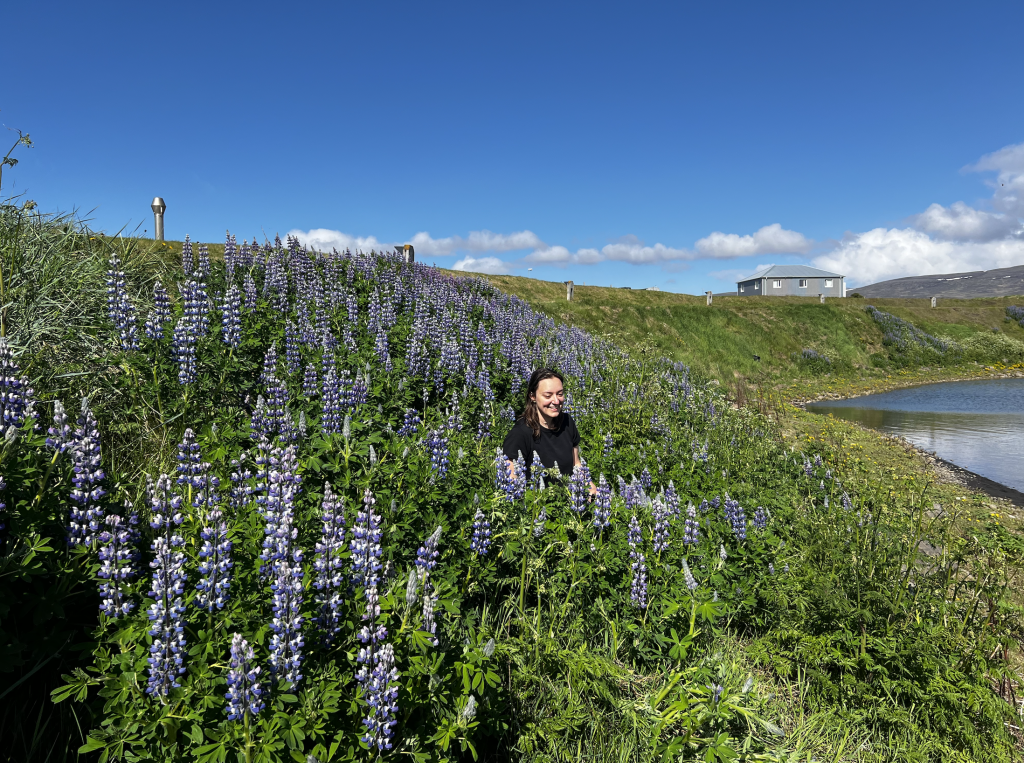
The Lupine buds on Blonduos’s most seaward peninsula, captured the day after we first landed on June 2nd. The Lupines sprawling out over the hill just a few days ago on a midnight walk to the horses.
𝄡𝄞♩♪♫ … tiptoeeee through the lupinssssss, by the lupinssss thats where ill beeee …. ♬♭♮𝄢
Tapestry with Ragga! This is where it all started… I found this amazing sample of Lupine in Raggas glorious tapestry thread basket. It immediately struck me- like Lupine lightning- that I needed to make a uranium glass tapestry using this color. Uranium glass, also known as vaseline glass, is glassware from the depression era that was made for very cheap using small amounts of uranium. For the past two years I have been collecting it, using a UV light in thrift and antique stores to hunt it down. It is a very addictive scavenger/detective-esque hobby!
I asked Ragga if she had any more of the wee bit of thread, and she said that it was the last of a Lupine dye batch that she had possibly modified with something, but that she couldn’t quite remember. I immediately made it my mission to do absolutely anything in my power to recreate this magnificent magical pigment!
On the LEFT, Ragga’s Lupine dyed Lopi. In the MIDDLE, other miscellaneous Lupin samples (from Ragga and from our collective dye baths with Deborah) on the RIGHT, some sea urchin shrapnal that was dyed by the Lupine flowers in my pocket.Inspiration for my tapestry. I am absolutely obsessed with swans. This is a uranium glass swan I have been lusting after online for over a year now. Hopefully I will find one in the wild someday!
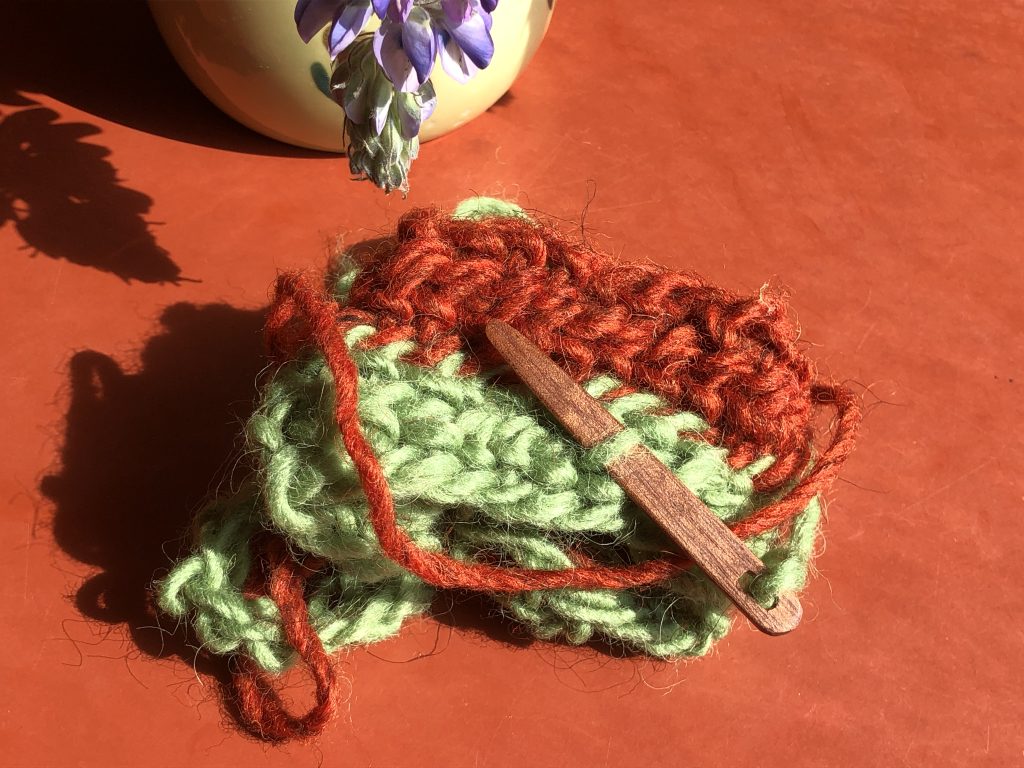
At our dye bath lesson with Deborah, I brought her the sample and inquired as to what she thought it might have been modified with to get the color. She came to the conclusion that it was probably Soda Ash, and after seeing the samples we all made together, I decided I would get to work on my first mission and theory: to make the most potent, most minty blue Lupine bath ever, and then modify it ever so slightly with Soda Ash to get that effervescent glow.
Fresh Lupines in the extra tall dye bath pot. I used three bags worth of flowers. :>o!
I found a glorious Lupine patch just before the big Lupine hill by the ocean, and only picked the darkest more purple-y stalks. My theory for this was that the more pigmented the purple would be, the more pigmented the green. This patch I found was also ideal because it didn’t have as many spiders or flies as the Lupines by the river Blanda (it was a whole rescue mission every time a spider was caught in the pot!) I also used the water from Alex’s first Lupine dye bath, to emphasize the extra strength of pigment.
A few recipes on Pintrest suggested keeping the Lupine flowers in the bath.
After putting in my Protein fibers, the silk velvet sucked up all the blue within seconds. This was my first ‘mistake’. I later learned, after talking with Gen, that silk is a little bit of a textile shapeshifter, and that it will not only snatch up all the pigment in a dye bath first, but also, generally it is hard to predict what shade it will decide to become. In this case, it turned a mysterious light blue, and, very pleased with the colour, I decided to take it out after the first hour. I left the rest of the wool in overnight and for the whole day we were in Skagastrond. Also important to note- I kept the temperature at 45 degrees celcius the whole time, just under the recommended 60. I think this helped, too, in getting the eerie blue color, and a more blueish green pigment.
Magical silk velvet drying after the bath. The result of the overnight dye bath on the wool Lopi! I threw some pieces from the felting machine into the bath to use for my project. It was really interesting to see how the Tog and Thel took the dye differently!
I was quite happy with my spoils, however, my quest did not end here. After treating a small sample of the Lupine Lopi with Soda Ash, and getting a really true, bright green, but not the bright mint I had hoped for, it was clear I still had work to do. It then occurred to me that I hadn’t yet rinsed out my protein fibers after the bath. (I had not initially planned to do this, but it was in the dye instructions). This is where things took a turn. Without realizing, I accidentally threw the small soda ash sample in with my other wool that I was rinsing in a large basin. I then dipped my silk in the same bucket for a mere few seconds before rinsing it under the tap. When I returned a few hours later… I was struck with an experimental HORROR!
In the split seconds that it was in the same dye bath as the Soda Ash sample, the silk had soaked up the Soda and turned KERMIT GREEN! A transformation taking place partially as the fabric was drying. To be completely honest, I was on the verge of tears. How could I reverse this? What went wrong? Woe is me!
Then, Tiana had the completely genius idea to try reversing the chemistry. This was another huge learning experience for me! We tried treating the fabric with 7% vinegar and BOOM. It was like magic! The old color came back.
Splotches of the vinegar peppering the velvet fabric. The velvet after a full treatment of vinegar. I kept some parts a little more blue because I liked the discombobulated effect.
After successfully reversing the damage, I was overwhelmed with relief and experimental delight. These Lupines were so determined to show me all the tricks up their sleeves! As a final ruse, when I returned later to see the dried velvet, it had changed color AGAIN to a gorgeous, pearlescently pale minty green.
This time I didn’t even feel upset, I was simply in awe of the Lupine’s magic. In the sunlight, as pictured, the velvet had a nearly aqua glow, like the coolest shade of the river Blanda.
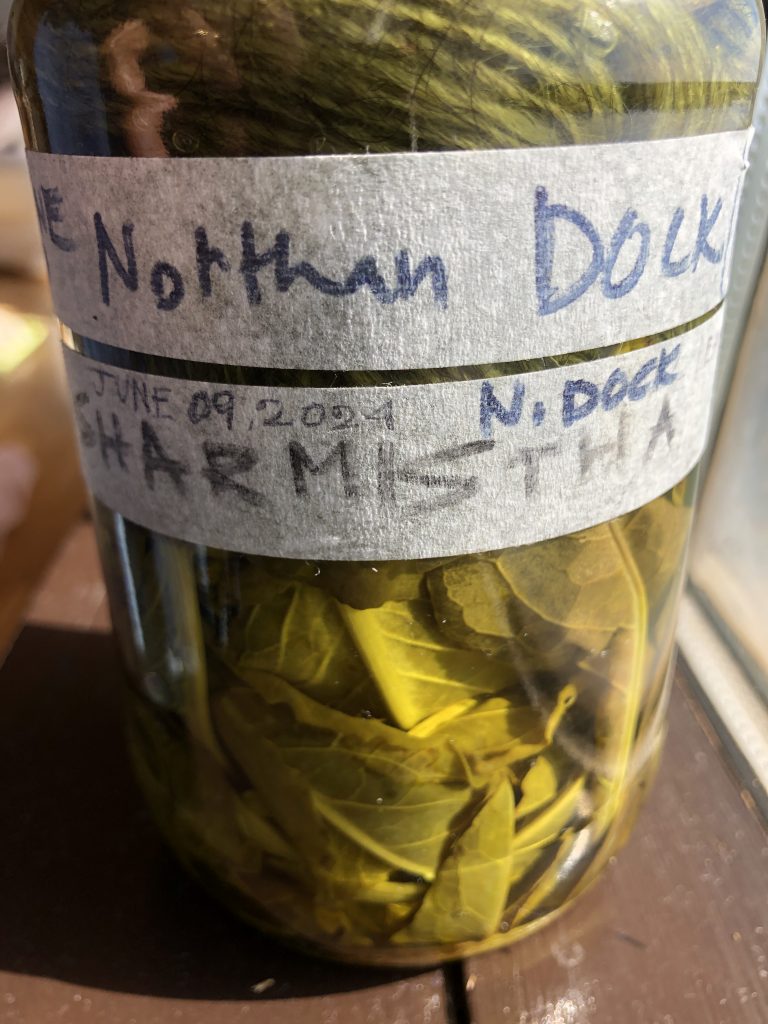
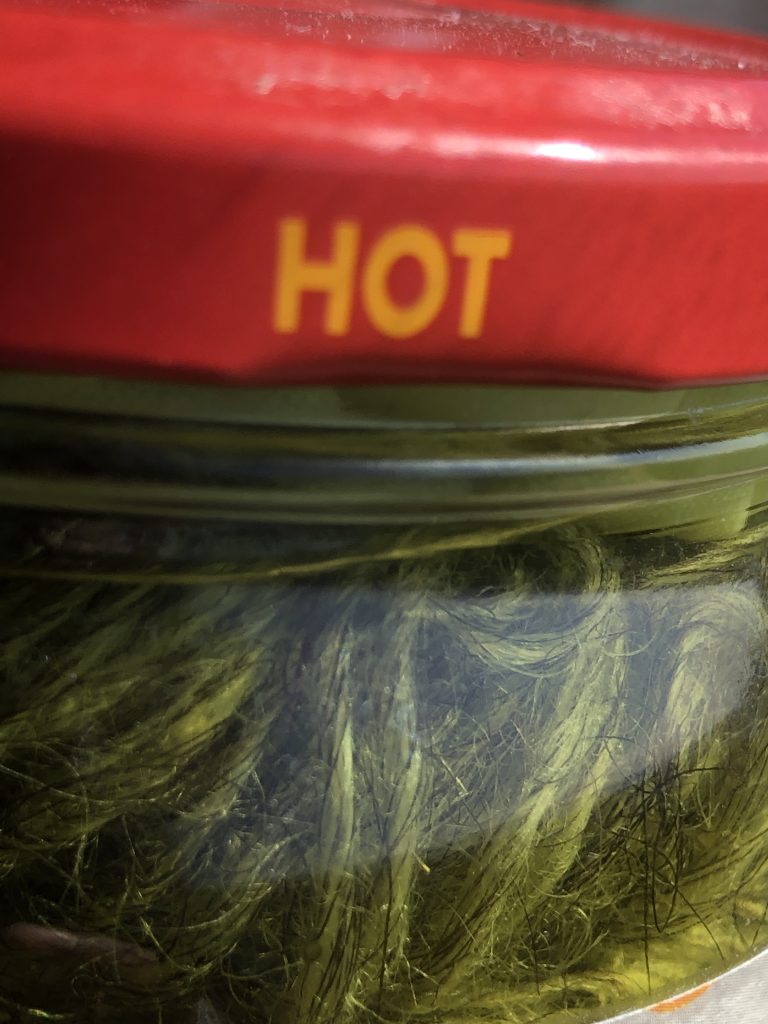
I ended up bottling and keeping the leftover extra strength Lupine dye bath for later use.
Still, after this, my Lupine quest wasn’t over. I dyed some cellulose fiber in an even stronger extra strength dye bath, and did another mini protein bath (but still very potent) to try to see if I could get the blue color that the silk had slurped up in the first dip. This theory did not stand, and the result was very similar to my first dye bath, although maybe a teensy bit more blue. It was then that my Lupine quest got a bit side tracked, as I put together pieces for my costume.
On Lupine hill in my cape and helmet. A bizarre collection of squashed Lupines in a perfect circle. I get the feeling someone was here… perhaps a troll or a giant! ;P
The grand Lupine finale part one was revealed while I was filming my performance on Super 8 with the help of Julia and Alex. It was extremely misty, and part of the performance involved me digging in the sand to bury an hourglass I had constructed. I made some sleeves for my costume out of Lupine dyed linen, and as I dug, they slowly started changing color, from the cool blue to bright green (but just on the areas that came into contact with the sand). It is likely that the sea salt took effect on the fiber. I’ll have to add more documentation to this post after I develop the film.
The sleeves turning green from the sand.Sandy knees and Lupine sleeves. The sleeve all wrinkled up after being in my luggage.
Grand finale part two was finally getting to the bottom of how Ragga got that zingy mint color. After showing her my experiments and explaining the journey I had been on, she remembered that she had potentially dipped the Lopi into the dregs of an Indigo bath, and THEN modified with soda ash. Aha! So it was the magical powers of the Lupine and Indigo combined that created such a delight. I will have to try it some day, but for now I’m happy with where my quest took me. What a precious experience to witness the full blooming cycle of these twinkly flora. I’m already missing my green fingernails, and the tender waggle of the Lupine’s in the wind.
Lupine hill on some b&w film I developed yesterday.
Reinhard Mook & Reidar Bertelsen, “The Possible Advantage of Living in Turf Houses on Settlement Mounds,” Acta Borealia: A Nordic Journal of Circumpolar Societies, vol 24, 2007 – Issue 1. A reconstructed turf house in Þjórsárdalur, Iceland. Photograph: Reidar Bertelsen (2000).awning window for high winds, Blönduós, June 3, 2022.sound of the wind coming through a vent in the Kvennaskólinn basement, Blönduós, June 27th 2022. “weather” / “weathering,” via OED.
star decorations in Blönduós (1-2) and Skagaströnd (3), for winter nights? Blönduós, June 2022. musical tone created by wind through cemetery gate (just barely audible over the sound of the wind!), Blönduós, June 3, 2022. making / untangling a net with the wind, Blönduós, June 24-27, 2022.
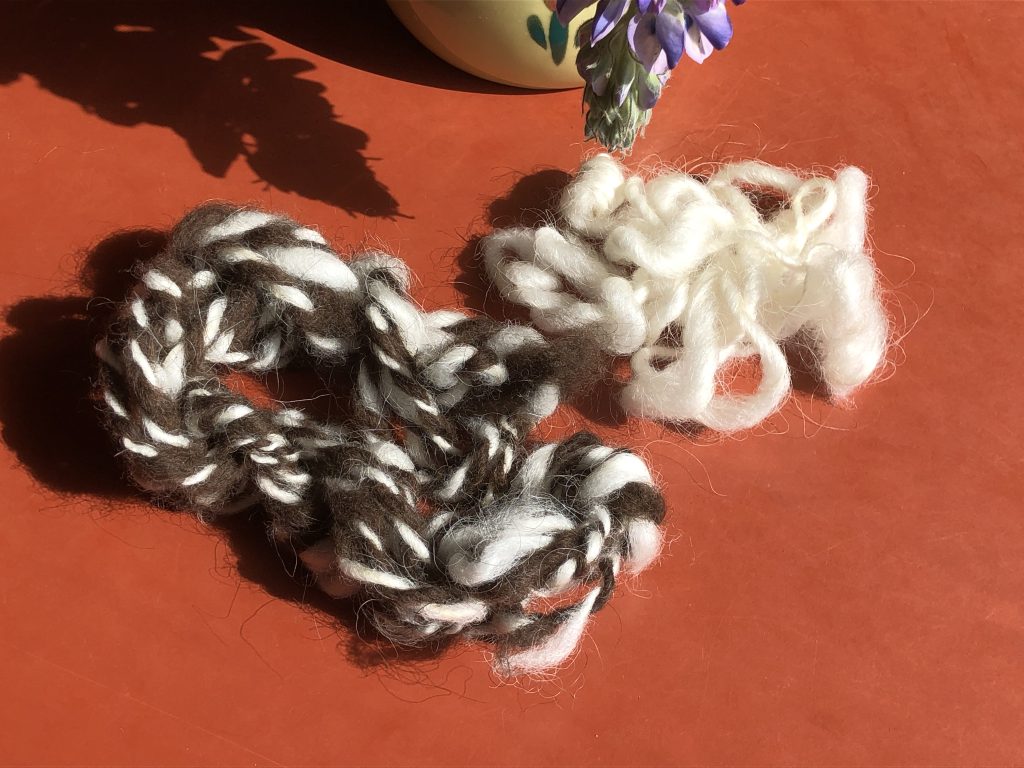
From pieces of fleece found on the studio floor and shelvesMini crochet links from leftover rhubarb-dyed wool (left) and yarn found on the studio floor (right)
From shell found by the Ocean section nearest the Kvennaskólinn and bee carcass found inside the Kvennaskólinn, on the 2nd floor steps, and a piece of yarn from the studio floor
From the bee carcass found inside the Kvennaskólinn and crocheted found yarn
Dried lupin sediment from Deborah’s dye baths
Grinding down the sediment
Dying found driftwood with the grounds
From driftwood and remnants of naturally-dyed wool
We set out to find thrown away things, forgotten duds.
We looked for lost remnants, known to some as garbage. We were happy to fill up bags for an afternoon out of the studio. Looking for detritus and finding inspiration all around.
Blönduós is an orderly town. Still, some garbage lurks in the cracks, windswept under bushes, or in the most tucked away of crevices. So we looked and peered on.
At first, we found mostly horses. Greeting us, cheering us on with snuffs and gurgles. I wished I could fit one in my bag and carry it around with me, if only for the afternoon.
Blönduós horses
Blönduós horses
Continuing on, our bounty was cigarette butts, water bottle caps, and stray garbage bags with rhubarb growing every which way.
Pitter patter, continuing our steps as the rain sprinkled on and off.
Thinking about colours and footsteps and what is left behind.
Baring witness to the resilience of plants growing in the least fertile of places. The same spots where garbage loiters. I wonder if the plants mind their occasional debris companions, fluttery as they may be.
Rhubarb
Wandering with our noses gravel-bound and squinting eyes. A pause to look at our surroundings and we were at the steps of a church where an old brass door hung ajar. Colour, magic, and reverence awaited us when we were looking for discarded things.
Reynir Katrínar’s home and art
Standing before us, an artists dwelling nestled within a spirited structure. A magnetic pull. Inconspicuously tucked next to a mossy hill in a sea-coloured church. The home of a warm welcoming artist, Reynir Katrínar, who weaves tapestries of trees, dries herbs, makes paintings, and grows strawberries in his rainbow windowsill among other things. A rich life – overflowing.
Reynir Katrínar’s art
Reynir Katrínar’s windowsill strawberries
Poppies and Insects
To linger there forever crossed my mind. Courteously, we continued on with gratitude for the unexpected welcome and quench of inspiration. out in the elements we went. Rain rain, ever so gently. Onwards to the destination that inspired this outing. A pathway tucked between the beach and the hill’s slope. A destination destined for rubage.
Garbage-bound. We set ahead on our pursuit.
The entire way, we had a trustee companion by our side – Cat.
We managed to fill two large garbage bags with debris in just a short jaunt. The rain started to barrel down on us and the wind intensified.
Cat walk
Teddy and Cat
Julia and Cat (photo by Teddy)
Cat
It was challenging to say farewell to this creature who so valiantly led us and saw our efforts through. Teddy, Cat and I meandered together for over an hour.
Bittersweet and gleeful, we trod our path home, bidding farewell and leaving Cat by the sea. Clad with two heavy bags and an armful of drenched cardboard boxed, we set forth. With an oncoming storm brewing, we were misted by arctic winds looking perfectly foolish to parsers-by as our mystical bags of garbage-harvest flapped in the wind.
We took pause to pick a Lupin bouquet to enliven our nest once we got home.
A spiralling day this was. Something about setting out to find garbage and encountering a heard of horses, hardy plants, an artist’s nest, and a sprightly cat guide is utterly fortuitous.
We also found garbage.
This world houses debris all about. Sometimes I do not have the heart to look around me. It is often lonesome and disheartening to witness garbage unfurling its talons . However, what I learned from this day is that when I went to look for trash, I did find it, but I also found plenty of magic. I would not have happened upon the delights of this day had I not gone out with my original intent to look for things in the deep crevices, under the twisting elms, and in the shadows. We are all here, on this earth, in this vessel. I will hold onto this knowing: musings, magic, and muck ferment in the same vessel.
Dès mon arrivée en Islande et pour la durée du séjour, j’observe la beauté saisissante du panorama et j’écoute attentivement les sons qui en émergent. Ils m’interpellent tous. Un calme s’étend sur le territoire où je circule et m’abandonne. Le silence n’existe pas, mais il se révèle pleinement par l’absence de pollution sonore.
C’est bien connu que les sons aux basses fréquences de la nature apaisent. Ils informent et instruisent. Ils invitent à nous mettre naturellement au diapason avec eux.
Dans les ateliers du Ós Residency, nous entendons au premier plan le son omniprésent des vagues océaniques. Il y a aussi le vent qui percute la structure du bâtiment sur toutes ses façades. Le bruit du ressac et le sifflement du vent au contact des fenêtres entre-ouvertes s’accompagnent extraordinairement du chant des oiseaux marins. Cette symphonie grandiose, aux modulations variées, constitue l’écoute centrale qui guidera mes réflexions pour la réalisation d’œuvres textiles, en ce mois de juin 2022.
Je m’engage à saisir les rythmes et les bercements des sonorités de Blönduós. Je tente de les traduire par un jeu de lignes et de textures produites avec les fibres de laine et des papiers que je file, tisse et brode sur la surface d’autres papiers de lin fait main que j’ai apporté pour l’occasion.
As soon as I arrive in Iceland and for the duration of my stay, I observe the striking beauty of the panorama, and I listen closely to its emerging sounds. All of them call out to me. A calmness spreads over the territory where I wander and abandon myself. Silence does not exist, but it is revealed fully by the absence of noise pollution.
It is well known that low-frequency sounds of nature are soothing. They inform and educate. They invite us to naturally attune to them.
In the Ós Residency studios, we hear the omnipresent sound of the ocean waves in the foreground. We also hear the wind hitting the structure of the building on all its facades. The sound of the sea surf and the whistling of the wind as it hits the slightly open windows is beautifully accompanied by the song of the sea birds. With its various modulations, this grandiose symphony constitutes the central listening that will guide my thoughts for creating textile artworks during June 2022.
I am committed to embracing the rhythms and lulls of the sounds of Blönduós. I try to translate them through an interplay of lines and textures produced with the wool fibres and papers that I spin, weave and embroider on the surface of other handmade linen papers I brought along for the occasion.
Parfois, je documente simplement, à l’aide d’une application sur mon téléphone, les sons entendus à l’extérieur et à l’intérieur de l’atelier.
Sometimes I simply use an application on my phone to document the sounds heard outside and inside the studio.
Cet après-midi-là, nous marchions sur un sentier tout près de l’océan. Nous avons subitement fait halte pour ne pas importuner les oiseaux nicheurs situés un peu plus loin. Nous nous sommes assises à une bonne distance de leur emplacement. Le vent s’était calmé. Un élégant chevalier gambette s’est perché tout près de nous. Il nous à offert le plaisir d’écouter son chant.
That afternoon, we were walking on a trail near the ocean. We suddenly stopped to avoid disturbing the nesting birds a little further away. We sat down at a safe distance from their location. The wind had calmed down. An elegant common redshank perched near us. He offered us the pleasure of listening to his call.
Le chevalier gambette et ses amis / Common redshank and friends
J’archiverai ses enregistrements sonores pour y revenir plus tard lorsque je quitterai Blönduós. Ces sonorités exceptionnelles font partie, d’une certaine façon, de mes œuvres produites dans le cadre de cette résidence.
I will archive these sound recordings and return to them later when I leave Blönduós. These exceptional sounds are, in a way, part of my works produced during this residency.